Premier eyes 424 job cuts at Tulbagh plant despite RFG merger conditions - IOL
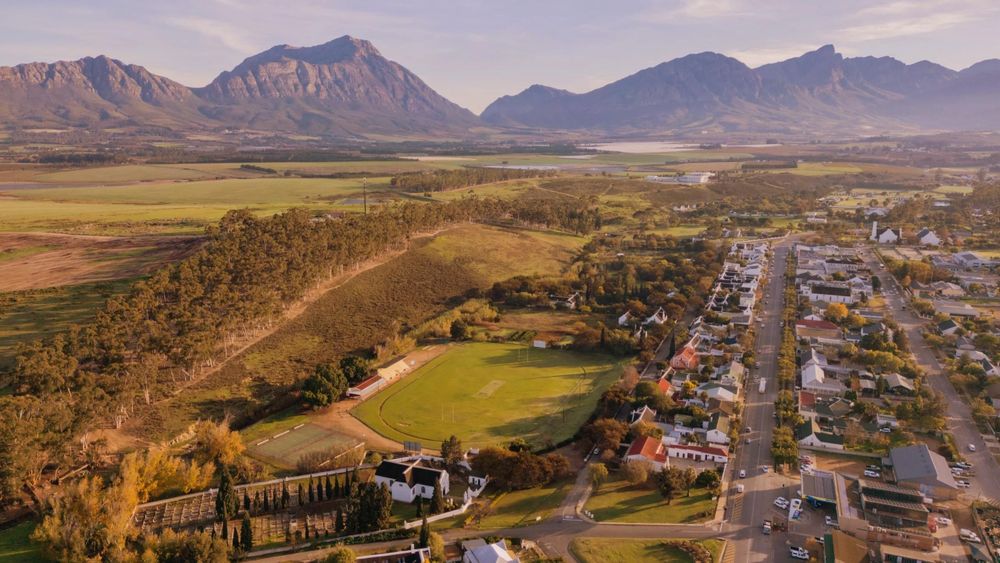
Tulbagh is a historic wine-farming town of about 9,000 people, nestled in a mountain basin about 120 kilometres north-west of Cape Town.
Six months after the Competition Tribunal approved Premier Group's takeover of RFG Holdings, the company is consulting over 424 possible retrenchments at a fruit-canning operation acquired in the deal, despite employment protections having been imposed as a condition of the merger.
The Congress of South African Trade Unions (Cosatu) says the proposed closure of the Fruit Processing Western Cape facility in Tulbagh threatens not only its workers, but farmers, farmworkers and surrounding rural communities.
The trade federation says “400 workers, 200 farmers, thousands of farmworkers and five rural communities” will see their livelihoods “devastated” if jobs are cut.
South Africa’s official unemployment rate rose to 33.6% in the second quarter of 2026, from 32.7% in the first quarter, with 8.5 million people unemployed.
Tulbagh is a historic wine-farming town of about 9,000 people, nestled in a mountain basin about 120 kilometres north-west of Cape Town. Founded in 1699 as Het Land van Waveren, the town was later renamed after Cape governor Ryk Tulbagh and is known for Church Street, with its concentration of restored Cape Dutch, Edwardian and Victorian buildings.
Premier completed its acquisition of RFG on 30 March, after receiving Competition Tribunal approval on 6 March. RFG has since been integrated into the group as Premier Culinary, with Premier saying that the closure has nothing to do with the merger.
One of the conditions imposed by the Tribunal on Premier’s merger with RFG was a moratorium on merger-related retrenchments lasting for three years after implementation of the transaction.
“Any retrenchment during the moratorium period will be presumed to be merger-specific, unless the merging parties/merged entity can demonstrate otherwise,” the Tribunal's order states. The conditions do, however, allow retrenchments for operational requirements unrelated to the merger.
Premier says this is what has happened at its Fruit Processing Western Cape (FPWC) in Tulbagh operation, which exports about 90% of its production.
It said the global fruit-canning industry had been in long-term decline as demand fell, with the export prospects of the Western Cape business deteriorating “to the point where the facility is no longer economically viable”.
Premier's board decided in July not to reopen the facility for the coming fruit-harvest season, subject to the required legal and regulatory processes, and started a Section 189 consultation process with 424 employees.
“The industry has been in long-term decline, with canneries closing globally as demand for canned fruit products has dramatically decreased,” says the JSE-listed company.
Premier, however, has said that the retrenchments have nothing to do with the merger. “The proposed closure of the FPWC facility is solely as a result from the significant structural economic challenges affecting the global fruit-canning industry and is thus independent of the RFG transaction,” Premier said.
US tariffs were already affecting RFG's canned-fruit business before the Premier takeover. In November 2025, RFG said higher tariffs had reduced its competitiveness in the US and caused some customers to shift orders to producers in countries with a tariff advantage.
An example of a fruit processing plant.
Cosatu disputes Premier's stance and says its affiliate, the South African Clothing and Textile Workers’ Union (Sactwu), fought for the employment condition when the merger was considered.
“Less than five months after merger approval, without first having satisfied the conditions the Tribunal attached to its approval, Premier announced its intention to close its newly purchased Tulbagh canning factory,” Cosatu said in a statement.
Cosatu also said the plant’s dire circumstances were already known when the merger was concluded.
Sactwu has referred the proposed retrenchments to the Competition Commission, which is investigating whether they constitute a breach of the merger conditions. Premier said it was “cooperating fully with the Commission” and providing information requested for the investigation.
Cosatu says the consequences of a closure would extend beyond Premier's employees.
Premier has left open the possibility of selling the business as a going concern and is in talks with Langeberg Foods about transferring a significant portion of its fruit-supply contracts.
It also plans to process some fruit at its Groot Drakenstein facility, while the Tulbagh plant has been made available for possible repurposing.
The retrenchment process comes as Premier expects headline earnings per share for the six months ending September to rise between 22% and 32%, with revenue forecast to increase between 35% and 45% following the RFG acquisition, it said yesterday.
“Volume growth across various categories has translated into a notable uplift in operating earnings, supported by improved efficiencies and consistent operational execution,” Premier said in a trading statement on Tuesday.