Rajpal Yadav gets 2-week relief from Supreme Court in Rs 9-crore cheque-bounce case
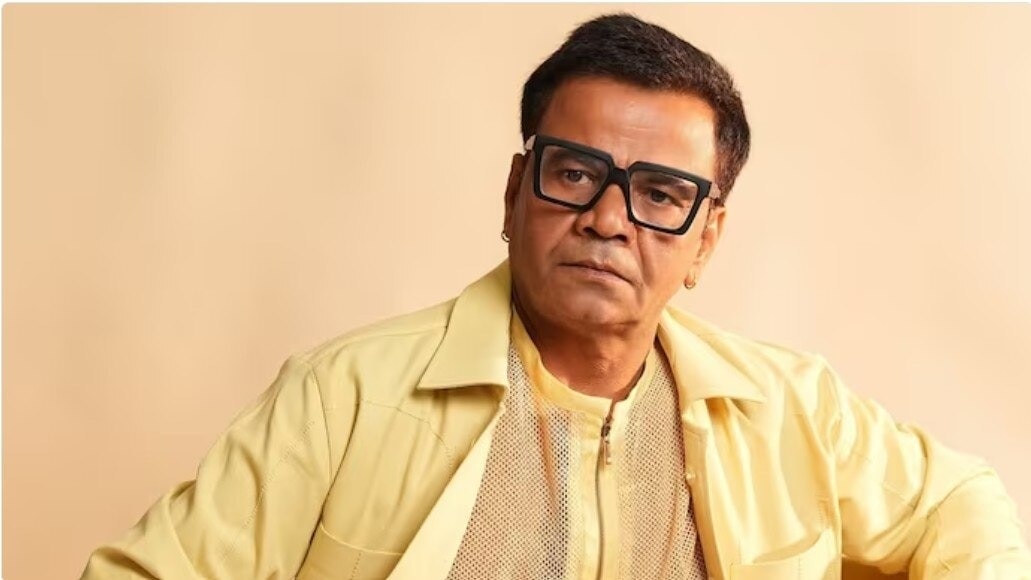
Actor Rajpal Yadav on Tuesday received interim relief from the Supreme Court in a cheque-bounce case, with the court granting him a final two-week opportunity to come up with a concrete proposal to repay the outstanding amount. The court also directed him to surrender his passport and extended his exemption from surrendering in the case until the next hearing.
A bench headed by Chief Justice of India Surya Kant directed Yadav to deposit a demand draft of Rs 2 crore with the Supreme Court registry and posted the matter for further hearing on October 5.
During the hearing, the bench questioned Yadav’s conduct in the case and said his past record did not inspire confidence. The Chief Justice remarked that Yadav acts very well in films but hoped he would not “act” in court.
The court made it clear that this was Yadav’s last opportunity to demonstrate his bona fides and comply with his commitments to the complainant.
Senior advocate PS Patwalia, appearing for Yadav, sought two weeks to formulate a concrete repayment proposal and said the actor would deposit Rs 2 crore to demonstrate his bona fides.
He also told the court that Yadav had already spent around four-and-a-half months in prison and that friends from the entertainment industry had helped bail him out.
Senior advocate Ajit Sinha, appearing for Murali Projects Pvt Ltd, said the complainant was primarily concerned about recovering its money, pointing out that Yadav had repeatedly failed to honour his commitments.
The case concerns seven cheque-bounce complaints filed by Murali Projects Pvt Ltd. According to the complainant, Yadav had received financial assistance of Rs 5 crore in 2010 to make his film Ata Pata Laapata, in which he was the director and producer.
The film performed poorly at the box office, resulting in heavy losses. The complainant claimed that in 2013, Yadav issued seven cheques of Rs 1.05 crore each towards settlement of the amount, but all the cheques were dishonoured.
An agreement between the parties in 2012 had reportedly provided for repayment of around Rs 11 crore, including interest. The outstanding amount later rose substantially due to interest and penalties.
Yadav was convicted in the cheque-bounce cases and was jailed after failing to repay the amount despite giving undertakings to the courts.
The Delhi High Court, in its July 10 verdict, upheld his conviction and sentenced him to three months’ imprisonment in each of the seven cases.
The High Court had also criticised Yadav for repeatedly failing to honour his payment commitments. It refused to condone an extraordinary delay of 1,894 days in filing his challenge against the conviction and directed him to pay more than Rs 1 crore to the complainant in each case.
The court, however, kept his sentence in abeyance for two months to allow him to approach the appellate court. It also said around Rs 2 crore already paid by Yadav would be adjusted against the amount payable.
The Supreme Court had on September 8 issued notice on Yadav and his wife Radha Rajpal Yadav’s plea challenging the High Court order. It had then granted him exemption from surrendering, subject to the deposit of Rs 5 crore with the registry.
The matter will now be heard on October 5.- EndsPublished By: Shipra ParasharPublished On: Sep 15, 2026 18:17 IST