Ranchers issue beef price warning after ICE raids - Newsweek
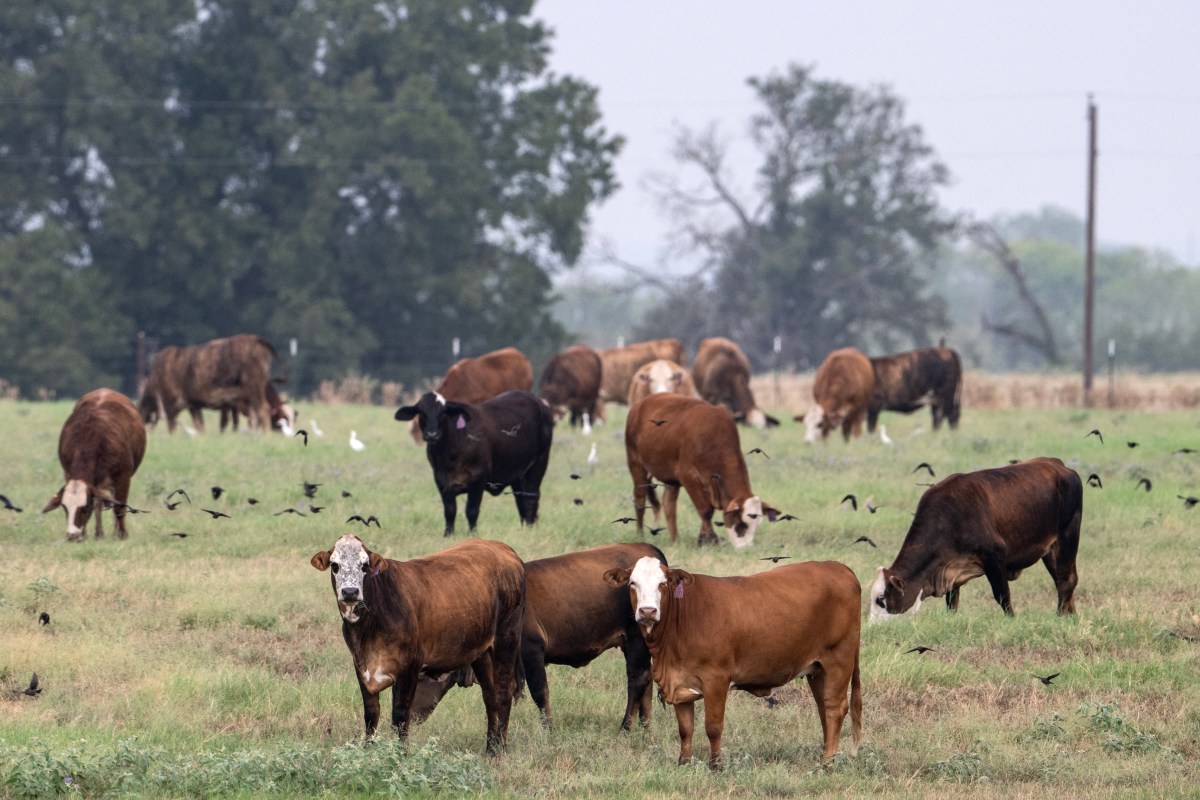
Cattle industry groups are warning that immigration enforcement operations across Texas, Oklahoma and Kansas are disrupting the beef supply chain, delaying shipments of thousands of cattle, and generating millions of dollars in losses and additional costs, even as the Department of Homeland Security told Newsweek that ICE is not conducting worksite operations in Kansas.
The Kansas Livestock Association, Oklahoma Cattlemen’s Association and Texas Cattle Feeders Association said in a joint statement on September 24 that they were “closely monitoring” reported ICE activity affecting agricultural communities in the three states, warning that the enforcement activity was disrupting the livestock industry.
The groups said thousands of fed cattle that had been scheduled for shipment to processors were delayed, resulting in “millions of dollars in lost revenue and additional costs." They also reported workforce disruptions at feedyards, dairies, processors, feed and grain companies, transportation hubs and community services.
“These ICE operations are having a massive chilling effect on the legal, documented, skilled workers that put beef on the table and keep the cattle supply chain moving,” the associations said. They warned that the disruptions would lead to higher beef prices for consumers.
The average U.S. price of 100 percent ground beef was $6.92 per pound in August, according to data from the U.S. Bureau of Labor Statistics. President Donald Trump has faced growing pressure over his administration’s beef policies as consumers contend with high prices.
His approval rating has also fallen in several of the country’s biggest beef-producing states, including states he carried comfortably in the 2024 election. The administration has also turned its attention to major retailers as it seeks to address high beef prices. The Department of Justice is investigating beef pricing at eight major retailers, including Walmart.
The cattle groups said they recognize the federal government's responsibility to enforce immigration law but argued that sudden workforce disruptions can produce animal-welfare, operational, and economic consequences beyond the businesses directly affected.
"ICE is not conducting worksite operations in Kansas," a spokesperson for the Department of Homeland Security (DHS) told Newsweek. "ICE law enforcement has conducted operations targeting heinous criminals including murderers, rapists, and drug traffickers and illegal aliens with final orders of removal."
DHS pointed to several recent ICE arrests in Kansas, including Flora Elvira De La Cruz Bustillos, a Mexican national arrested in Liberal who the agency said had convictions for cruelty toward a child and larceny.
The agency said Ky Sayapheth, a Laotian national arrested in Hutchinson, had been convicted of homicide, aggravated assault of a police officer with a weapon, aggravated assault with a weapon, and had escaped from custody.
DHS said Jose Garcia Villa, a Mexican national arrested in Dodge City, had convictions for kidnapping and sexual assault. The department also identified Kham Khamchanh, a Laotian national arrested in Hutchinson, who it said had been convicted of homicide.
The agency said Raul Duquenzne-Batista, a Cuban national arrested in Larned, had convictions including aggravated assault, kidnapping, burglary and rape.
Cattle industry groups said the disruption comes amid existing pressures on the cattle and beef supply chain and argued that the effects can continue after individual enforcement operations have ended.
They called on federal officials to conduct immigration enforcement “in a lawful, orderly, and transparent manner,” respect due process and communicate clearly with employers and communities affected by enforcement activity.
Estimated U.S. cattle slaughter on September 24 was about 90,000 head, down from 107,000 a week earlier, according to U.S. Department of Agriculture data reported by Reuters. Industry members told Reuters that immigration enforcement had kept meatpacking workers away from plants in Dodge City and Liberal, Kansas, contributing to delays in cattle shipments.
A Newsweek analysis of Civiqs polling found his net approval had fallen since the start of his second term in all 10 of the largest beef-producing states. In Kansas, it dropped from plus 23 on January 20, 2025, to plus 2 on August 27, 2026, while Texas fell from plus 6 to minus 17 and Oklahoma from plus 31 to plus 7.
The analysis found little immediate change following Trump’s August 21 announcement allowing up to 300,000 metric tons of beef to enter the U.S. tariff-free for 90 days.
Contact Newsweek editor on this story: Edward Pearcey.