Refinery closures leave South Africa more exposed to imported fuel shocks - IOL
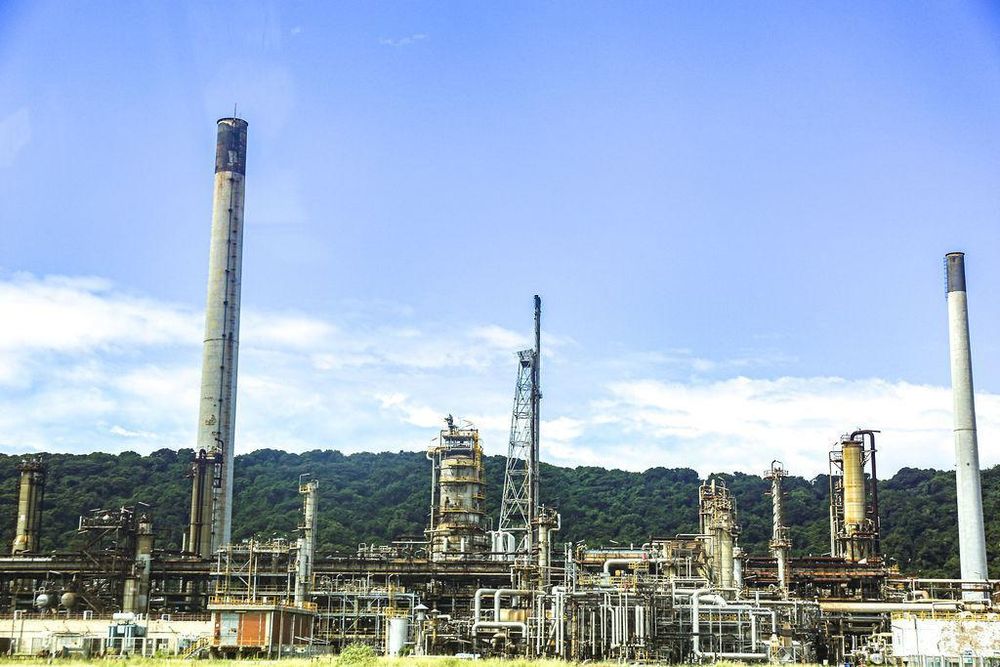
SAPREF refinery in Durban. South Africa’s declining domestic refining capacity has increased reliance on imported refined fuel, exposing the economy to higher costs and global supply shocks.
South Africa's growing dependence on imported refined fuel is leaving the economy more exposed to international supply shocks, pressure on the trade balance and higher costs, economists have warned.
Their comments follow research by South African Reserve Bank economists which estimated that the country's oil-import bill could have been R76 billion lower between 2021 and 2024 if refined petroleum products had accounted for no more than 25% of total oil imports.
The research, published this month in an Economic Note titled Running on empty? South Africa's refinery closures and their macroeconomic impact, found that imported refined products now supply more than half of domestic fuel demand as local refining capacity has declined.
North-West University Business School economist Professor Raymond Parsons said the R76bn estimate highlighted the economic risks created by South Africa's dependence on imported fuel.
"The SARB's cost estimate is another reminder of South Africa's vulnerability to the ongoing global energy crisis. Reducing the country's dependence on imported fuel remains a high priority," Parsons said.
He said geopolitical developments strengthened the case for strategic fuel-reserve policies as refined petroleum products came under pressure internationally.
Parsons said rebuilding domestic refining capacity was necessary for South Africa to address capacity lost through refinery closures.
That capacity has fallen sharply over the past decade. The SARB research said refinery closures had reduced petroleum-related manufacturing output by roughly 20% since 2019, displaced an estimated 5,400 direct and indirect jobs and contributed to firms deferring investment.
It also found that refined petroleum products were, on average, 12% more expensive than crude oil between 2014 and 2024.
The researchers estimated that limiting refined products to 25% of total oil imports between 2021 and 2024 could have reduced the country's oil-import bill by an average of 6.1%.
Independent economist Ulrich Joubert said the R76bn estimate was relatively small when viewed against the size of the economy, but higher fuel costs could significantly affect households and businesses.
He said increased transport costs could work through the economy and eventually be reflected in prices consumers paid for goods.
"It makes a difference per kilometre, and eventually then the price of the product that lands on these shelves makes a difference to me and your pocket," Joubert said.
Higher fuel costs could also weigh on consumer spending, inflation, the trade balance and the wider economy, he said.
Joubert cautioned, however, that restoring domestic refining capacity was not straightforward because refineries were capital intensive and rebuilding costs had to be weighed against the benefits.
Greater domestic capacity could nevertheless make South Africa less vulnerable to international supply disruptions while supporting employment and businesses supplying goods and services to refineries.
Government has acknowledged the risks associated with declining domestic refining capacity and growing dependence on imported finished fuel.
Answering questions in the National Assembly on March 25, Mineral and Petroleum Resources Minister Gwede Mantashe said about 60% of South Africa's fuel supply was being met through imported refined products, while about 40% was processed through domestic refineries and Sasol.
Mantashe said government intended to rebuild SAPREF and PetroSA and increase domestic refining capacity over time as part of efforts to strengthen energy security.
He returned to the issue during the Department of Mineral and Petroleum Resources' 2026/27 Budget Vote in May, saying South Africa remained overly dependent on imported refined petroleum products and exposed to external supply shocks.
"It is neither sustainable nor just for a country with significant mineral and petroleum potential, such as ours, to remain exposed to external supply shocks in this manner," Mantashe said.
Deputy Minister Phumzile Mgcina told the same debate that the Central Energy Fund was advancing the South African National Petroleum Company's refinery strategy to reduce dependence on imported refined products and strengthen long-term security of supply.
Parsons said the effectiveness of government's plans would depend on implementation.
He said government had shown greater awareness of the fuel-import challenge, but questioned whether it could move quickly enough as international energy conditions changed.
The Department of Mineral and Petroleum Resources had not responded to a request for comment by the time of publication.