Rooibos finds new uses abroad as South Africa marks Heritage Month
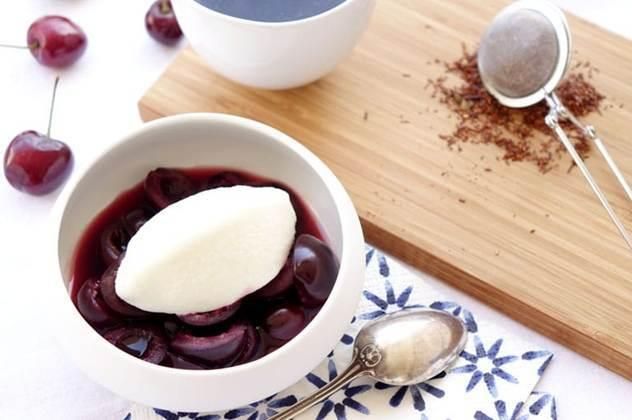
Rooibos is now being used in Japanese ramen, British ice cream, and North American lattes, expanding the market for a South African ingredient with a history tied to indigenous knowledge.
As South Africa observes Heritage Month this September, rooibos provides a direct link between that knowledge and a modern export industry. Its commercial success also raises the question of how the communities associated with its traditional use benefit from the trade.
Heritage Day, on September 24, recognises the country’s cultural diversity. The government includes indigenous knowledge, skills, oral history, and cultural traditions in its definition of living heritage. The knowledge associated with rooibos forms part of that heritage.
The Japanese arm of the international gourmet food and café brand, DEAN & DELUCA, with stores across major cities, brings Rooibos together with seasonal satsumaimo (Japanese sweet potato) in this inventive latte.
Rooibos is cultivated in parts of the Western and Northern Cape, including the Cederberg and areas around towns such as Clanwilliam and Nieuwoudtville. Its production connects the plant to farming communities and the knowledge involved in growing, harvesting, and processing Rooibos.
The Khoi and San communities’ contribution received formal recognition through an industry benefit-sharing agreement launched in 2019. A government study had identified them as the holders of traditional knowledge associated with rooibos, providing the basis for negotiations over compensation for its commercial use.
In July 2022, the Department of Forestry, Fisheries and the Environment reported that just over R12.2 million had been transferred to trusts representing the two communities. The money came from the first year of purchases covered by the agreement and was shared equally between the trusts.
This gives the recognition of rooibos during Heritage Month this September a practical basis. The agreement connects acknowledgement of traditional knowledge with payment for its use in an industry that sells to more than 50 international markets.
According to the South African Rooibos Council, Japan accounted for 33% of rooibos exports in 2025, making it the largest overseas destination. Germany, the Netherlands, the UK, and France also remain established markets.
Council spokesperson Adele du Toit said rooibos suited a range of food and drink applications because of its mild flavour and natural absence of caffeine.
“Whether it’s being used to create a latte, add depth to a savoury dish, flavour a dessert or form the base of a cocktail, rooibos gives people a familiar ingredient to experiment with in entirely new ways.”
In Japan, ramen chain Ippudo has served rooibos alongside its meals. In 2024, it incorporated the tea into a limited-edition ramen, combining it with pork bone broth and a Japanese stock made from kombu seaweed and shiitake mushrooms.
Clinton Gass, managing director of Japan’s Rooibos Marketing Ltd, said repositioning the product from a medicinal drink to a speciality tea had helped develop the market.
“By setting up a business in Japan to distribute and market rooibos, we were able to change the positioning of rooibos,” Gass said. “The tea purists in the Japanese market loved it, and exports increased significantly.”
A Rooibos twist on one of Japan’s best-loved dishes. Ramen is a deeply rooted part of Japanese food culture, with countless regional variations enjoyed across the country. Here, Rooibos finds its way into the bowl, adding a distinctive South African touch to a kombu-and-shiitake dashi, while also being used to marinate the egg.
Japanese cafe menus have also included rooibos. Starbucks introduced a rooibos tea latte at its specialist Tea & Café stores in 2023, combining the tea with milk and vanilla syrup. Dean & Deluca Japan paired rooibos milk tea with Japanese sweet potato in a seasonal latte in 2024.
In Britain, tea brand Tick Tock’s recipe collection includes rooibos iced drinks, kombucha and desserts. Its Earl Grey rooibos ice cream uses sugar infused with tea.
Dr Sharon Hall, chief executive of the UK Tea & Infusions Association, said consumers were seeking more variety in herbal and fruit infusions.
“Today’s consumers are increasingly adventurous in their beverage choices, bringing fresh interest to the herbal and fruit infusions category through a desire for flavour exploration, wellness and variety.”
Across Canada and the US, rooibos is used in lattes, cocktails, and flavoured blends. Rooibos lattes and “red espressos” provide alternatives to coffee for consumers avoiding caffeine and are often combined with steamed milk, honey, vanilla, or cinnamon.
An inventive iced Rooibos and sweet potato latte topped with cream.
Shabnam Weber, president of the Tea & Herbal Association of Canada and the Tea Association of the USA, said consumers were moving between different types of drinks.
“Today’s consumers don’t necessarily think to choose between tea or coffee. They’re looking for beverages that suit a particular mood, moment or need, and they’re willing to explore ingredients and formats that offer something different.”
Du Toit said that the international interest was changing how rooibos was used.
“There’s something quite special about seeing a product that is so deeply connected to South Africa being embraced and reimagined by people around the world.”