Running safety tips for women as Kempton Park cases raise fresh concerns - IOL
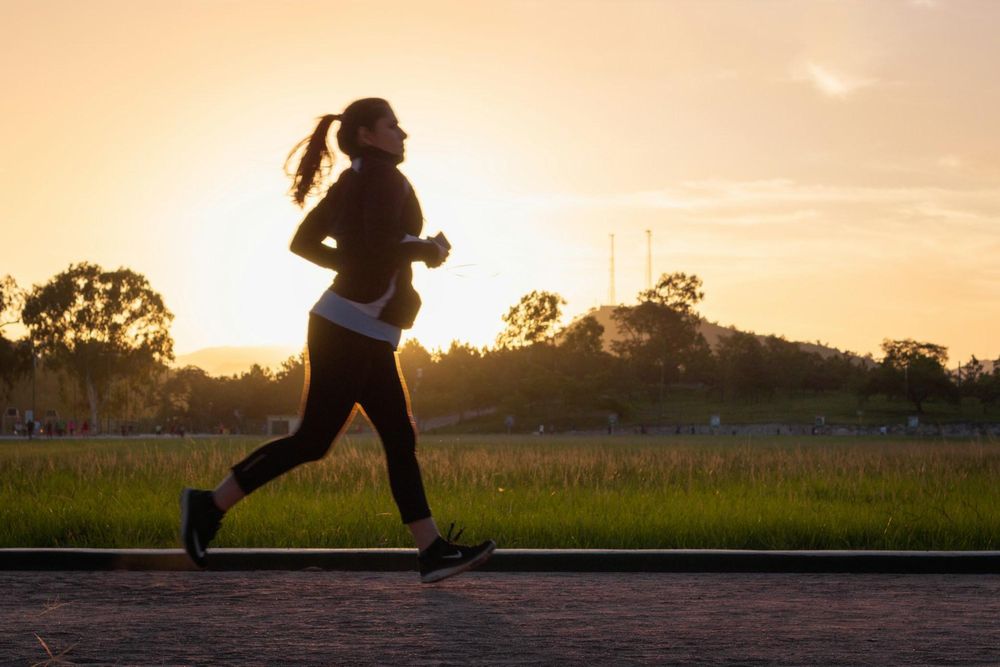
Having to always be vigilant while exercising outdoors has become a way of life for women in South Africa.
The recent deaths of women in Kempton Park have understandably left many people asking difficult questions about safety, including women who regularly go for a run or walk alone.
Among those whose disappearance sparked an urgent search was 38-year-old Elizabeth “Tsontso” Moselakgomo, who went missing after leaving home for a run in Rhodesfield. Her body was later positively identified by her family.
Police are investigating the circumstances and possible links between the cases, but have not confirmed that all the deaths are connected.
For women who run, walk or hike outdoors, the news is a grim reminder of something many already know too well: exercise should be about health, enjoyment and clearing your head, not calculating your safety every time you leave the house.
Women should not have to live in fear or give up an activity they love.
But until the wider problem of violence against women is addressed, there are practical precautions that can make outdoor exercise safer.
Before leaving, tell someone your route and roughly how long you expect to be gone.
This does not have to become a complicated routine.
A quick message saying, “Going for a 45-minute run, back by 8 am,” gives someone a useful starting point if you do not return when expected.
SAPS also advises people to let someone know where they are going and how long they expect to be away.
Make sure someone knows where you will be running and how long you'll be out.
Charge your phone before you head out, especially if you'll be away from home for an extended period.
Consider sharing your live location with a trusted person while you are exercising.
Make sure you know how to make an emergency call quickly rather than assuming you will have time to search through your contacts.
The quickest route is not necessarily the safest route.
Where possible, choose areas that are populated, familiar and reasonably well lit. Avoid isolated stretches, deserted paths and places where you could become difficult to see or reach.
SAPS advises people to stay in well-lit, busy areas and avoid dark, isolated places.
If a route feels wrong on the day, change it. You do not need to complete the planned distance just because it is on your training schedule.
A GPS running watch or another personal tracking device can provide an additional layer of reassurance, particularly for people who do not like carrying a phone while running.
The important thing is not the brand or gadget.
It is making sure the device is charged, connected and that someone you trust knows how its location-sharing or emergency features work.
A tracking device should be viewed as an extra safety measure, not a guarantee of protection.
A running partner or group can make outdoor exercise safer and more enjoyable.
If your usual running partner is unavailable, consider joining a reputable local running club or arranging to meet someone for part of the route.
For walkers, the same principle applies.
There is no prize for doing your daily walk alone.
Posting a running route or announcing that you are about to head out can reveal more information than you realise.
SAPS specifically cautions against advertising your movements or impending absence on social media.
There is nothing wrong with sharing your run afterwards.
Consider waiting until you are safely home before posting your route or location.
Music can make a run more enjoyable, but loud headphones can make it harder to hear approaching people, vehicles or bicycles.
If you do listen to music, keep the volume low enough to remain aware of your surroundings. Better still, leave the headphones at home when running somewhere unfamiliar.
The same applies to looking at your phone while walking or running.
Stop somewhere appropriate if you need to check a message or map.
If you use headphones make sure you can still hear what's happening around you.
You do not need to prove that someone is dangerous before deciding to leave a situation.
If someone is following you, repeatedly appearing on your route or making you uncomfortable, change direction and move towards a busy place, shop, petrol station, security point or other populated area.
Do not worry about appearing rude or paranoid. Your safety is more important than being polite.
This is one of the most important habits to remember.
If you believe someone is following you, avoid leading them directly to your home. Head towards somewhere populated and ask for help.
Contact someone you trust and, if you believe you are in immediate danger, call 10111 or 112.
SAPS advises people to trust their instincts and to be aware of their surroundings.
Know who you will call, where you will go and what you will do if something feels unsafe.
It is also worth checking that your emergency contact details are easily accessible on your phone.
And if something does happen, report it. SAPS says emergencies and crimes can be reported through 10111 or at a police station.
None of these precautions should be interpreted as suggesting that women are responsible for preventing violence against themselves.
The responsibility for violence belongs with the person committing it.
But while women continue to navigate a country where personal safety can be a very real concern, being prepared can mean keeping your phone charged, letting someone know where you are, choosing a safer route, or simply deciding that today is not the day to run alone.
You can care about your health and still take your safety seriously. You should be able to do both.