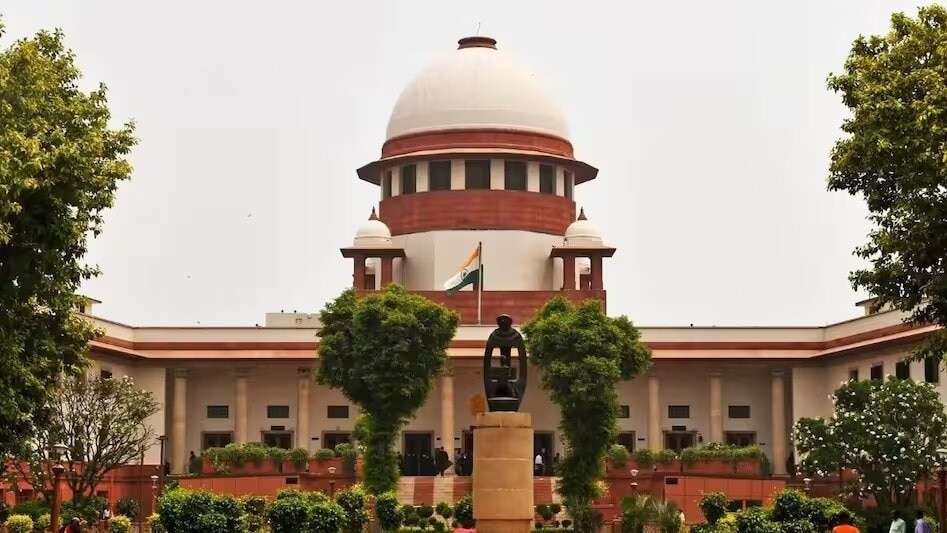
SC flags misuse of POCSO in custody battles, lays down safeguards before arrest
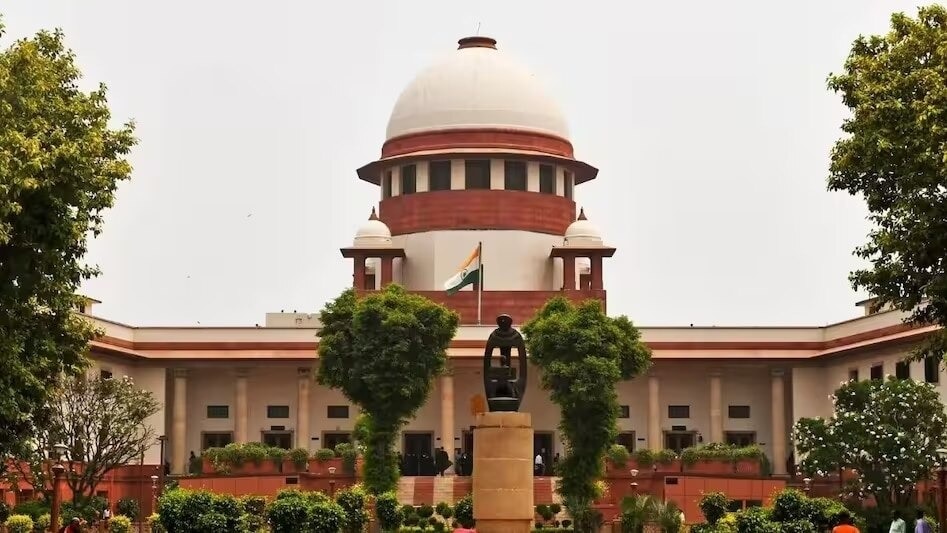
In a verdict arising out of a bitter, long-drawn divorce and custody battle, the Supreme Court has flagged what it called an “alarming trend” of the “misuse of Protection of Children from Sexual Offences (POCSO) law” by warring parents and laid down safeguards to prevent such misuse.
A bench of Justice JB Pardiwala and Justice KV Vishwanathan, in a verdict passed on Thursday, said police must involve a child psychologist or counsellor through the District Child Protection Unit and a support person through the Child Welfare Committee (CWC) to evaluate the child before arresting an accused in certain POCSO cases involving strained matrimonial relationships.
The court clarified that the safeguards will not automatically apply to all POCSO cases. They will apply only when the investigating police officer finds that two conditions are met.
First, the POCSO allegation must be against a parent or a family member of the parent who lives in the same house as the child. Second, there must be an existing matrimonial dispute between the child’s parents.
The Supreme Court said police must verify whether both conditions exist before invoking the safeguards.POLICE SHOULDN'T ACT IN HASTE: SC
The court said police should not act in haste or immediately arrest an accused in a POCSO case when both conditions are present.
Instead, a child psychology expert, a representative from the District Child Protection Unit or an expert from the CWC should assist the investigating officer in evaluating the child.
The evaluation report should assess whether there is “reason to believe” that the parent or family member actually abused the child.
The process must also ensure that the child is not put under pressure, caused discomfort or subjected to repeated harassment, the court said.
However, the Supreme Court clarified that the evaluation does not mean that the allegations will not be investigated.
The evaluation report will form part of the material considered while deciding on arrest or filing of a chargesheet. Whether coercive steps, including arrest, are required will remain for the investigating officer to decide after considering the report and other relevant circumstances of the case.'POCSO ACT NOT MEANT FOR SETTLING SCORES'
The bench observed that the POCSO Act “is not meant for settling scores” and said any attempt to misuse its provisions must be curbed.
“Although Section 22 of the POCSO Act is meant to deter false complaints, yet by the time this provision comes into application, irreparable harm may already have been done to the accused,” the court observed.
“What is needed is a balancing exercise: precautions that neither dilute the object of the Act nor weaken its provisions, while allowing sufficient leeway to ensure that irreparable harm is not caused to the accused,” it said.
The bench also noted the impact such disputes can have on children caught between warring parents.
“To be caught in the crossfire between warring parents would undoubtedly be a painful experience for any child,” the court observed.
It said that when acrimony escalates to the level of one parent unjustifiably attributing sexual assault of the child to the other parent, “the matter acquires a different dimension altogether."
“Quite apart from the trauma that the minor child is put through in the process, the accusation can damage the very fabric of the parent-child relationship and the resultant wound is bound to leave an indelible scar in the minds of both,” the bench said.SAFEGUARDS BASED ON NIMHANS SUGGESTIONS
The bench said its guidelines concerning psychiatric evaluation and counselling of the alleged victim's child were based on suggestions made by Dr Lakshmi Sravanti Tanuku and Dr Anamika Sahu of NIMHANS.
The Supreme Court also clarified that the safeguards will not disturb the procedure already envisaged under Rules 4(4) to 4(7) of the POCSO Rules, 2020.
Under those provisions, the CWC would assess whether the child needs to be removed from the custody of the child’s family or shared household.
The verdict was passed in a bitter divorce case in which the mother filed POCSO allegations against the father and his family members, alleging that the minor child was abused during the divorce proceedings.- Ends
Aneesha Mathur is a Special Correspondent for India Today where she puts her LLB degree to use covering Legal issues and cases in the Supreme Court of India, Delhi High court and other courts/tribunals.
Aneesha joined India Today in October 2018. After graduating from St Stephen's College and Faculty of law,Delhi University, she spent the formative years of her career in print Media.
Her interest in journalism stems from experience while interning with Legal services and Juvenile justice board as a law student, where she learnt the importance of ensuring that accurate information reaches the world, and that stories about individual experiences and statistics that show a "bigger picture" must supplement each other so other people can see what the large impact of a small thing can be. When not working or thinking about the law and it's state, Aneesha hides from reality in fantasy novels, rom-coms and food.