She hit a breaking point at work and she’s not alone. Inside Canada’s worrying rise in mental health leave - Toronto Star
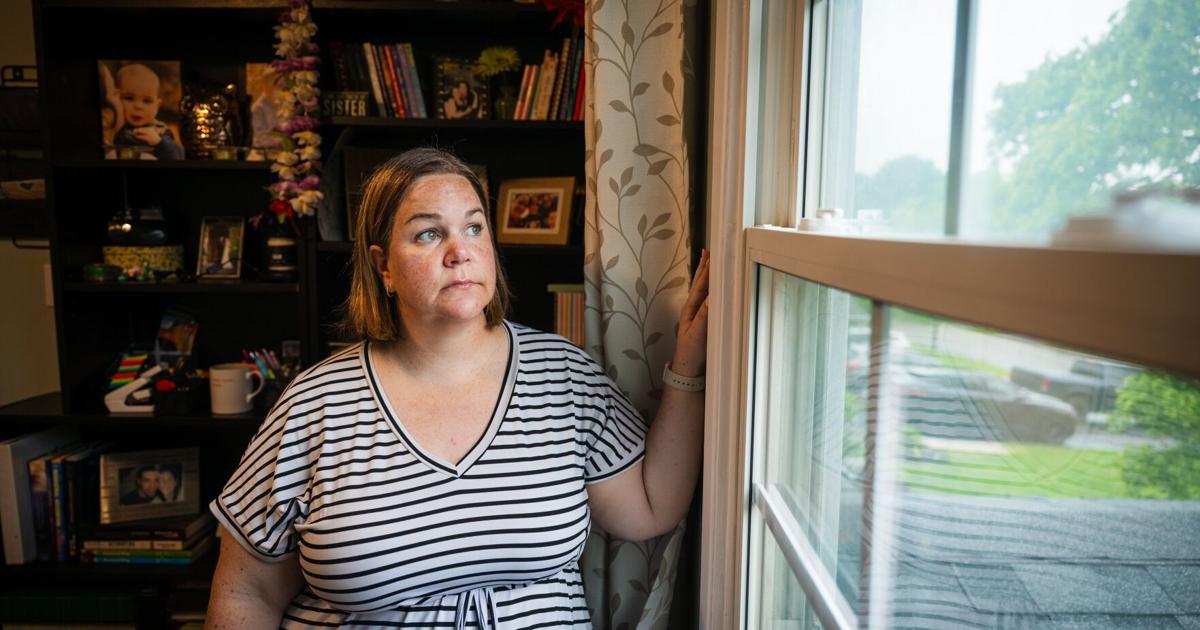
Hundreds of thousands more workers are taking short-term leave every week compared to just a few years ago. What caused the sudden spike?
“What I wish, more than anything, is that someone had been willing to have a more honest conversation with me before it was too late,” Hanzal said.
For years, running was a stress reliever for Megan Hanzal.
But when the pandemic hit, the miles gave way to the suffocating confines of a house suddenly too small: with two parents working under one roof while caring for an 18-month-old toddler and a three-year-old, life was consumed by a triage of meeting calls and diapers, deadlines and tantrums.
When Hanzal returned to her Toronto-area office in 2022 as an accounting manager, she knew something was off. She was experiencing brain fog and often fell behind on work. Yet even as she voiced her struggles to managers, increasing demands piled onto her plate — until one day, the stress and exhaustion broke her.
In August of 2022, Hanzal was hospitalized at the Centre for Addiction and Mental Health (CAMH) for two weeks for depression and anxiety. After she was discharged, she was advised to take a mental health leave that ultimately lasted for nine months.
She returned to work in May 2023, but the transition did not work out as hoped. Hanzal soon joined another company, but her mental health deteriorated again, leading her to take a month-long leave in 2024.
“I began to understand that managing my mental health was not about working harder or being stronger,” she said. “It was about understanding myself and recognizing when I needed support.”