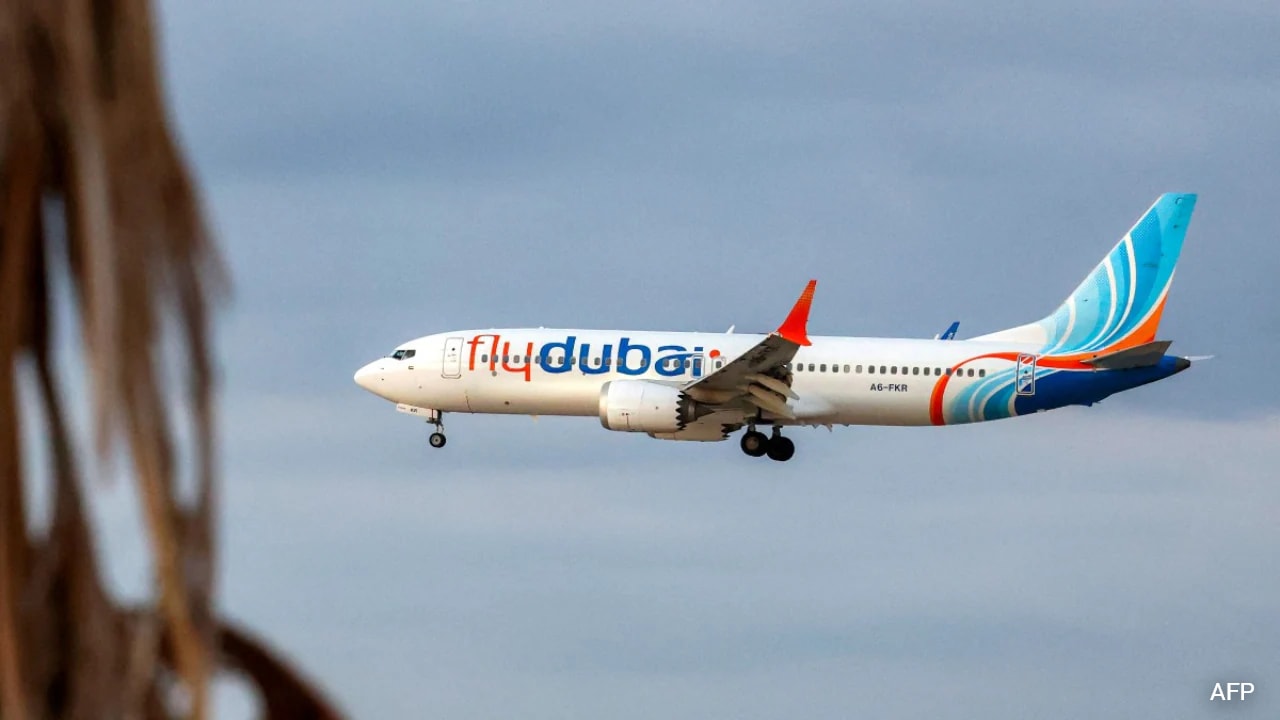
Smartraveller said ‘Do Not Travel’ here. I went anyway
You have reached your maximum number of saved items.
Remove items from your saved list to add more.
For years, Smartraveller has been my first destination when planning any overseas trip. Its advice is thorough, frequently updated, and always appreciated.
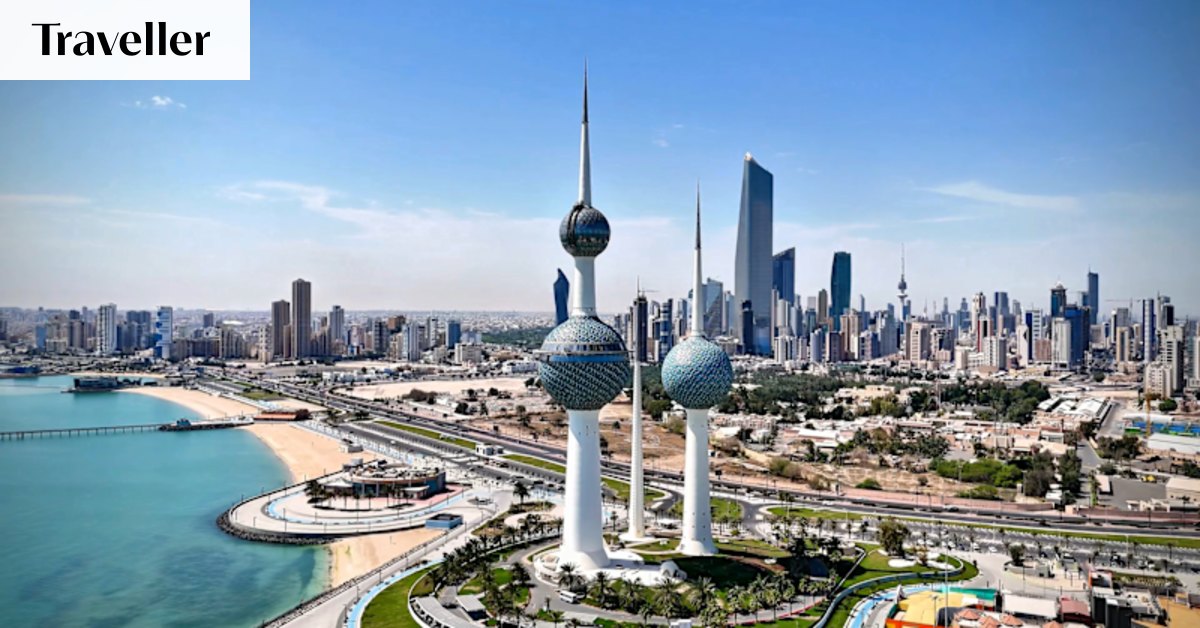
But for the first time, I’ve had to disregard its most severe advice, “do not travel”, to spend a month visiting family in Kuwait – and I’m glad I did.
Kuwait is on Smartraveller’s “Do Not Travel” list, although other countries have lower warning levels.iStockSmartraveller’s warnings can be quite conservative, but we’ve now reached the stage where almost a quarter of the world’s countries sit within its heightened “stay home” classifications (orange and red).
Sticking to the green and yellow destinations may be wise on regular holidays, but isn’t always realistic. Avoiding higher-risk destinations could keep families apart for months – or even years – and impede some business trips and routine airport transits.
As for the “do not travel” countries, different destinations carry different risks. But here are some broad safety steps you can take in these regions.
Even if you disregard the “do not travel” warning, still read Smartraveller’s advice thoroughly. Also peruse warnings published by Canada, New Zealand, the UK and the USA as relevant to your trip.
You might observe that warning levels for the same country can differ between sources. For instance, Australia elevated Kuwait to a red zone in July 2026 (back to the orange “reconsider your need to travel” level, as of Friday), whereas the UK had already transitioned Kuwait to green. But it’s usually Australia’s warning levels that dictate whether standard travel insurance is valid for Australian citizens.
“Do not travel” destinations are generally excluded by standard policies, and some insurers may not cover “reconsider your need to travel” areas, either (check with your insurer). But there are a few workarounds.
Some higher-risk destinations provide mandatory medical insurance as part of your visitor e-visa. For instance, visitor e-visas for Saudi Arabia and Kuwait now include this.
Australia also has reciprocal healthcare agreements with 11 other countries. While these aren’t in Smartraveller’s current high-risk zones, it’s still helpful to know in case your normal insurance takes issue with a visit to a riskier destination as part of the same journey.
Chris Chamberlin in Kuwait.Some specialist insurers, like Hotspot Cover, focus on higher-risk travels and transits, but typically limit coverage to medical expenses and repatriation – not delayed flights, lost luggage and the like.
Travelling with your driver’s licence and a valid international driving permit keeps options open in case airports close and you need to cross a land border to depart. Holding a valid visa for a neighbouring country also makes this easier.
If you have a car, regularly charge up or fill the tank – even when you’re not nearing empty. This enables you to drive even if power outages impact your ability to recharge or to pump fuel.
Other preparations depend on local risks. You may prefer to keep a low profile by staying with family or friends – rather than a chain hotel in the CBD, frequented by foreigners – or in a quiet residential area.
Avoid the lowest floors in places of civil unrest. These can be exposed to the impacts of car bombings and riots.
In areas prone to missiles and drones, avoid staying on a building’s highest floors. Prioritise accommodation of sturdy brick or concrete construction with few windows (not wall-to-wall glass), near an evacuation stairwell, and that has an internal, windowless room for shelter.
Memorise the meaning of air raid sirens used at your destination, which can differ between countries. I found it oddly reassuring to learn that one tone means “relax, it’s fine” – and to distinguish between “caution, trouble might be coming” and “alert, there’s active danger”.
By committing the siren tones to memory, I didn’t panic when hearing them for real. Instead, I calmly took the action I’d rehearsed, and later, went on with my day.
Keep your smartphone charged, powered on and connected to the cellular network to receive any emergency alerts. Have both an international roaming SIM and a local SIM (or eSIM), in case one network becomes overloaded or unavailable.
A landline telephone and fixed-line internet are useful back-ups. Also make regular contact with those back home.
Ensure your TV has all available news channels tuned and bookmarked. This can take a while in the Middle East as satellites carry thousands of Arabic channels, although multiple English news channels are tucked among the mix.
In conflict areas, keep volumes of safe drinking water on hand. Also keep stocks of non-perishable food, and ideally, have a non-electric cooking source such as a gas stove (especially with your own gas bottle).
Even if you’d normally collect credit card points (guilty…), keep some cash available to cover essential purchases if banking systems are impacted by power outages or communications failures.
If there’s an Australian embassy at your destination, consider reaching out via email to advise that you’ll be in the area, and subscribe to Smartraveller’s email updates for that location, too.
Ultimately, for those with family overseas, the intense preparations and precautions feel worth it when the result is being able to spend time together.
Would I recommend a “do not travel” destination for a holiday? Absolutely not. But would I make the same trip again, under the same circumstances, if it meant spending time with family? Without a doubt.
You have reached your maximum number of saved items.
Remove items from your saved list to add more.