South Africa's trade surplus rises by R2.5 billion - IOL
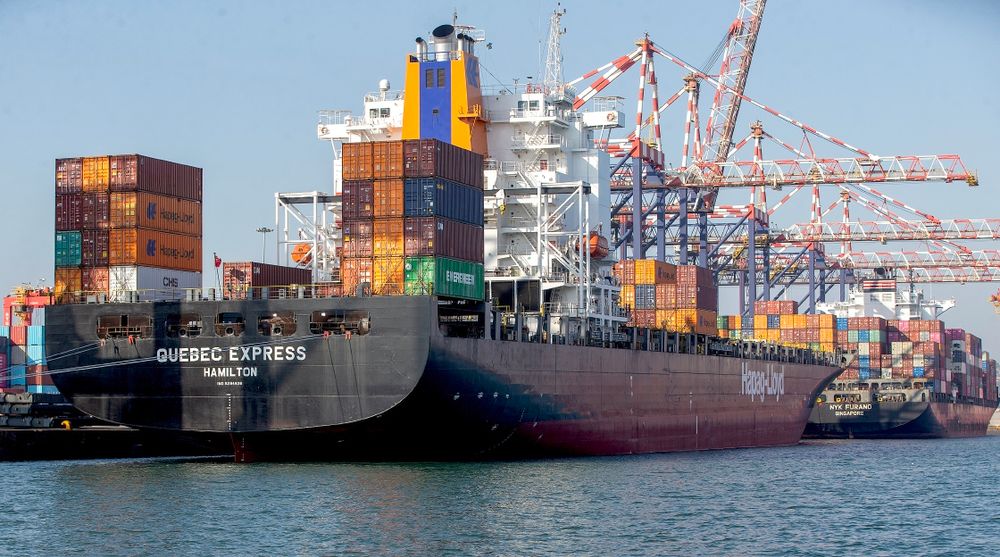
Port of Durban South Africa’s trade surplus widened to R20.5 billion in August as imports fell faster than exports, although higher oil prices could put pressure on the trade balance in coming months.
South Africa’s merchandise trade surplus widened to R20.5 billion in August, from a revised R18.0 billion in July, according to trade data released by the South African Revenue Service (SARS).
The outcome exceeded consensus expectations compiled by Bloomberg.
Investec’s SA Economics unit reported that the improvement was driven by a sharper fall in imports than in exports. Imports declined by R13.7 billion, or 7.8% month-on-month, while exports fell by R11.3 billion, or 5.8%. The net result was an expansion of the merchandise trade surplus.
SARS attributed the decline in export flows largely to lower shipments of platinum group metals, gold, and zinc ores and concentrates. Vegetable product exports also declined by 9.0% month-on-month, while machinery and electronics exports fell by 3.0%.
Platinum group metals remain a significant component of South Africa’s mining basket, accounting for just over 27% of the basket. PGM production contracted by 13.5% year-on-year in July, according to Statistics South Africa.
On the import side, the contraction was partly linked to reduced purchases of petroleum oils excluding crude. Imports of original equipment components and automatic data-processing machines also decreased. These declines more than offset increases in other categories, resulting in a larger monthly fall in the import bill.
Investec cautioned that the relief on the import side may prove temporary. The bank expects import values to rise in the near term as higher energy prices pass through to the trade account. Brent crude oil averaged above US$100 a barrel in September, returning to levels last seen in May amid escalating tensions in the Middle East. Elevated oil prices typically lift the cost of refined petroleum products and related inputs, which form a material share of South Africa’s import basket.
The August figures highlight the competing pressures facing South Africa’s external trade position, with weaker volumes in some key mineral exports offset by a sharp decline in imports.
Investec said the outlook for the trade balance would depend partly on global demand for South African exports, commodity prices and the cost of energy imports.
With oil prices elevated and PGM production still soft, the trajectory of the trade balance in the final quarter will depend on whether export earnings can continue to offset pressure from higher energy and other import costs.