Substandard materials, poor foundations blamed for building collapse - The Guardian Nigeria News
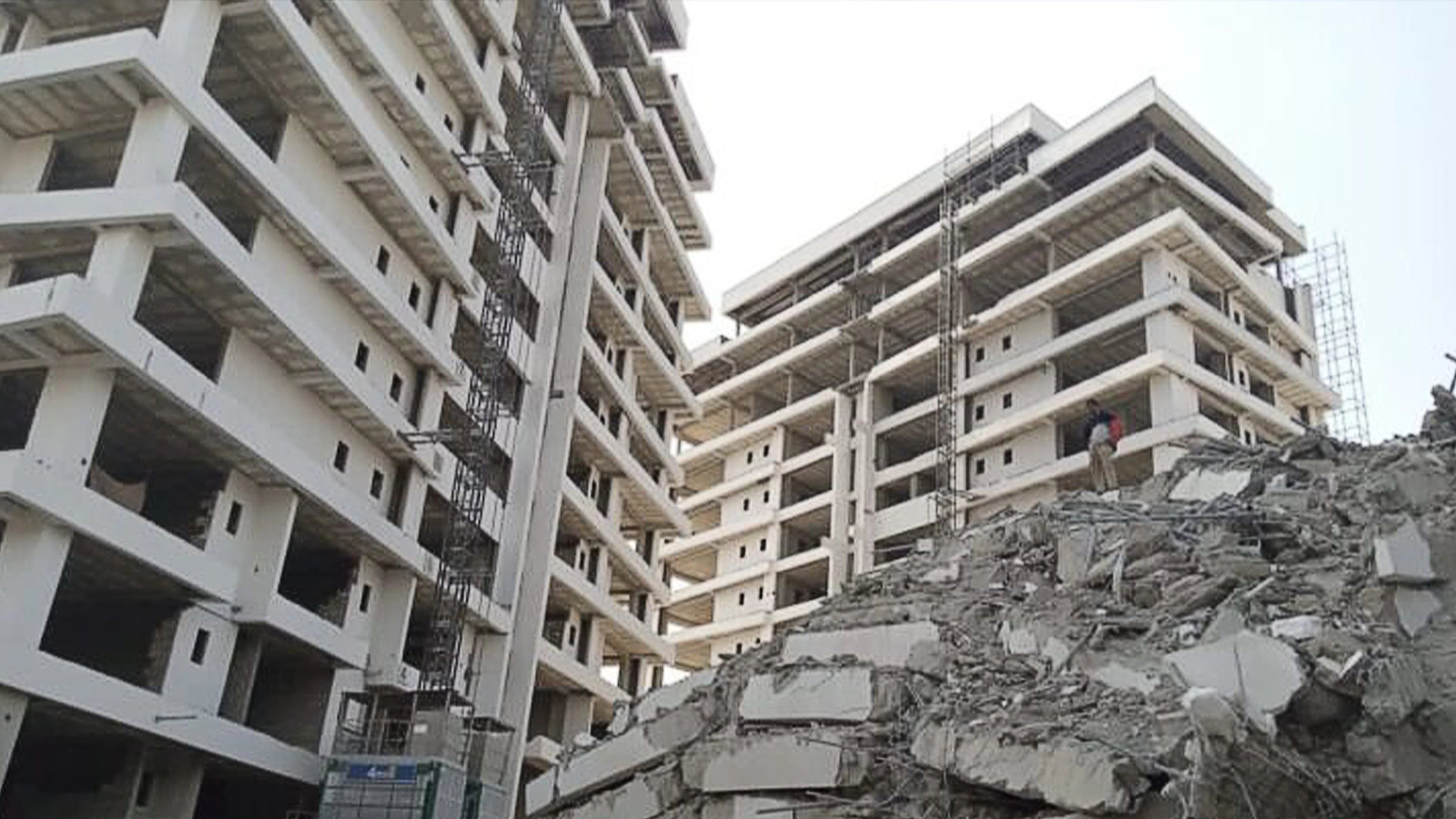
Research by a non-profit organisation, Thrivescape Initiative (TSI), has identified substandard building materials, unsuitable foundations and swampy grounds as predominant causes of building collapse in Lagos State.
The findings were presented at a validation meeting for its research project, “Mapping Community-led Innovation for Resilient Construction in Lagos State,” supported by the Lloyd’s Register Foundation.
The study identified ageing and lack of maintenance, building modifications and overloading as secondary causes, while quackery and regulatory compromise also contribute to the problem.
The meeting provided an opportunity for stakeholders to review the findings, identify gaps and contribute to refining the recommendations, which focus on community-led innovations and practices that can strengthen building safety.
The research called for greater collaboration among government, statutory bodies and communities to curb building collapse, which has claimed lives, destroyed property and left many people homeless.
The research, aligned with Sustainable Development Goal 11 on sustainable cities and communities, examined community-driven innovations and participatory mechanisms for promoting resilient construction and reducing building collapse in Lagos.
Using a multi-stage sampling technique, the study focused on six areas with high incidences of building collapse: Lagos Island, Lagos Mainland, Kosofe, Alimosho, Amuwo-Odofin and Shomolu.
It also found that members of the public were willing to collaborate with government in preventing building collapse and commended initiatives such as the Certified Structural Integrity Programme (CSIP).
The researchers recommended community surveillance, upskilling of artisans, protected whistleblowing platforms, greater access to professional expertise and responsive regulatory action.
Stakeholders at the meeting also stressed the need for thorough building inspections, effective whistleblowing mechanisms, adherence to professional standards and prompt responses from relevant authorities.
A lecturer and town planner, Prof. Gbemiga Faniran, who led the research, said the findings showed strong public support for improved regulatory frameworks and grassroots participation in disaster-risk reduction.
Faniran advocated stronger government partnership with communities, saying the role of individuals in preventing building collapse had been undermined in the past. “The government alone cannot do it; the people must be involved,” he said.
He commended government efforts to address the problem but said more could be achieved through community participation. “The community, individuals, professionals, developers, community leaders and religious leaders all have roles to play. This is the pathway to resilient construction.”
Faniran also called for public safety education, grassroots surveillance and a multilingual brochure explaining the signs of distressed buildings. He advocated an app or toll-free line through which residents could anonymously report tilted, distressed or cracked buildings.
He urged authorities to shift from a top-down approach to a bottom-up system in which decisions are informed by feedback from communities.
Team Lead of FSI, Tosin Aniramu-Joseph, said building collapse was avoidable and urged stakeholders to align their activities with SDG 11 to prevent deaths and property losses arising from negligence.
“It is important for practitioners, town planners, architects, builders, engineers, community advocates and representatives to align with the SDGs to ensure our communities are safe and no one loses their life due to negligence or corruption,” she said.
Aniramu-Joseph also opposed demolition, displacement and forced evictions, stressing that prevention was preferable. She appealed to statutory bodies, including the Lagos State Physical Planning Permit Authority (LASPPPA), to reduce building approval costs and improve public trust.
“The State’s Ministry of Physical Planning and Urban Development should not be seen primarily as a revenue-generating institution, because doing so will affect how people approach it and undermine its responsibilities,” Aniramu-Joseph said.
Responding, the Permanent Secretary, Lagos State Emergency Management Agency, Dr Olufemi Oke-Osanyintolu, said residents could report distressed buildings through the state’s toll-free emergency lines.
“The state government has toll-free lines through which residents can report incidents, including building collapse, fire and road accidents. They can call 767 or 112,” he said.