The dirty business behind South Africa’s fuel: Billions lost to adulteration and tax fraud - IOL
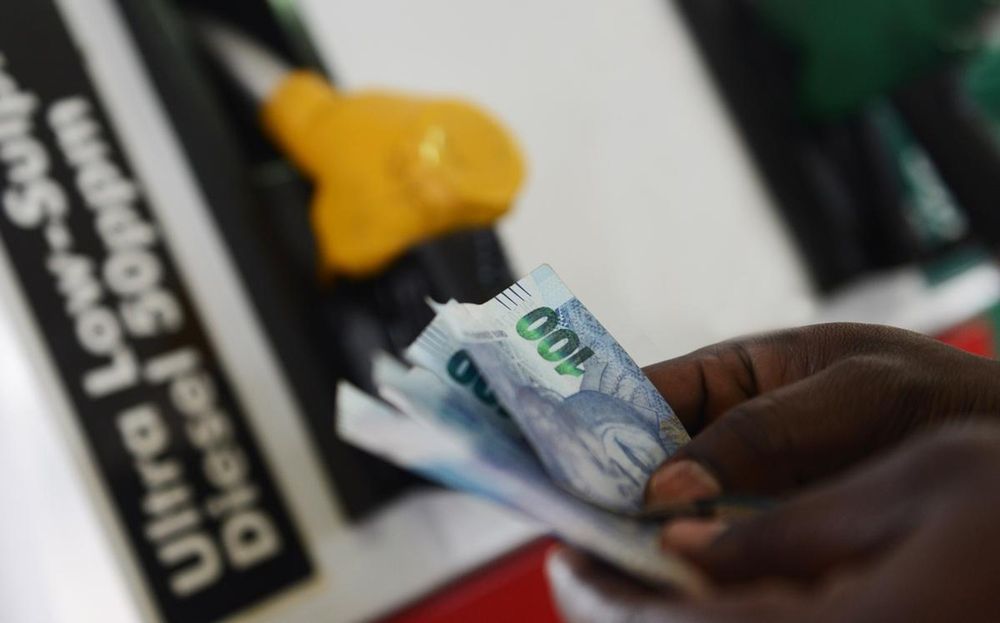
Fuel fraud exposed: 188 potential illegal fuel depots have been identified in Gauteng as criminals exploit the fuel supply chain.
South Africa’s illicit fuel trade is operating on a significant scale, with Bidvest Protea Coin identifying 188 potential illegal fuel depots in Gauteng as criminal networks exploit tax differences and weaknesses in the fuel supply chain.
Bidvest Protea Coin chief operating officer Waal de Waal revealed the figure during a recent Carte Blanche feature, saying the company had identified the potential depots through ongoing investigations and intelligence-led assessments.
The private security and investigations company has previously described its investigations operation as using investigators, informants, forensic data analysts, surveillance and analytical tools to identify crime patterns and trends.
The latest assessment comes as authorities continue to uncover cases involving the adulteration of diesel, particularly through the illegal mixing of cheaper illuminating paraffin with diesel.
The scale of the problem is reflected in figures from the South African Revenue Service (SARS), which said fuel adulteration costs the fiscus approximately R3.6 billion a year, based on statistics from the International Trade Administration Commission.
SARS said criminal networks are also exploiting fuel imports through under-declaration, with some consignments declared at 40,000 litres or less while investigations have found that as much as 60,000 litres were imported.
Paraffin is subject to a different tax regime from diesel, creating a financial incentive to mix the cheaper product into diesel before selling it into the legitimate fuel market.
SARS said it has detected a national trend involving fuel-storage and distribution depots, particularly the illegal mixing of diesel with paraffin. In some of its investigations, adulterated diesel was found to contain up to 68% paraffin.
Criminals have also sought to remove or circumvent chemical markers used to distinguish legitimate fuel products, allowing adulterated fuel to enter the supply chain while making detection more difficult.
SARS said a joint intelligence operation involving 23 targets across Gauteng, Mpumalanga and KwaZulu-Natal resulted in the detention of 953,515 litres of contaminated diesel, six non-compliant fuel depots and assets and contaminated fuel worth about R367.3 million.
The revenue service’s 2024/25 annual report separately recorded a scheme involving the adulteration of diesel with paraffin that it said had caused a R3 billion loss to the fiscus, with assets, equipment and products detained and criminal cases initiated.
Bidvest Protea Coin said the illicit fuel trade involves more than adulteration, with criminal networks also exploiting smuggling and under-declaration across the supply chain.
The company has called for closer cooperation between private security companies, law enforcement, regulators and businesses to identify criminal networks and protect legitimate operators and consumers.
Its investigations division says it works with law enforcement agencies including the Hawks, Crime Intelligence, the Asset Forfeiture Unit and the National Prosecuting Authority, while its specialised operations division uses intelligence analysis, aerial surveillance and other capabilities to identify crime patterns and support interventions.
For motorists, the consequences can extend beyond lost tax revenue. Adulterated fuel can affect engine performance and damage vehicles, while legitimate fuel retailers and distributors face competition from operators able to cut costs by using illicitly sourced or adulterated products.
With fuel prices under renewed pressure, Bidvest Protea Coin’s latest assessment highlights the growing financial incentive for criminals to exploit the difference between legitimate fuel and cheaper products such as paraffin.