Trump dealt major crypto blow after making $1.4bn from family ventures
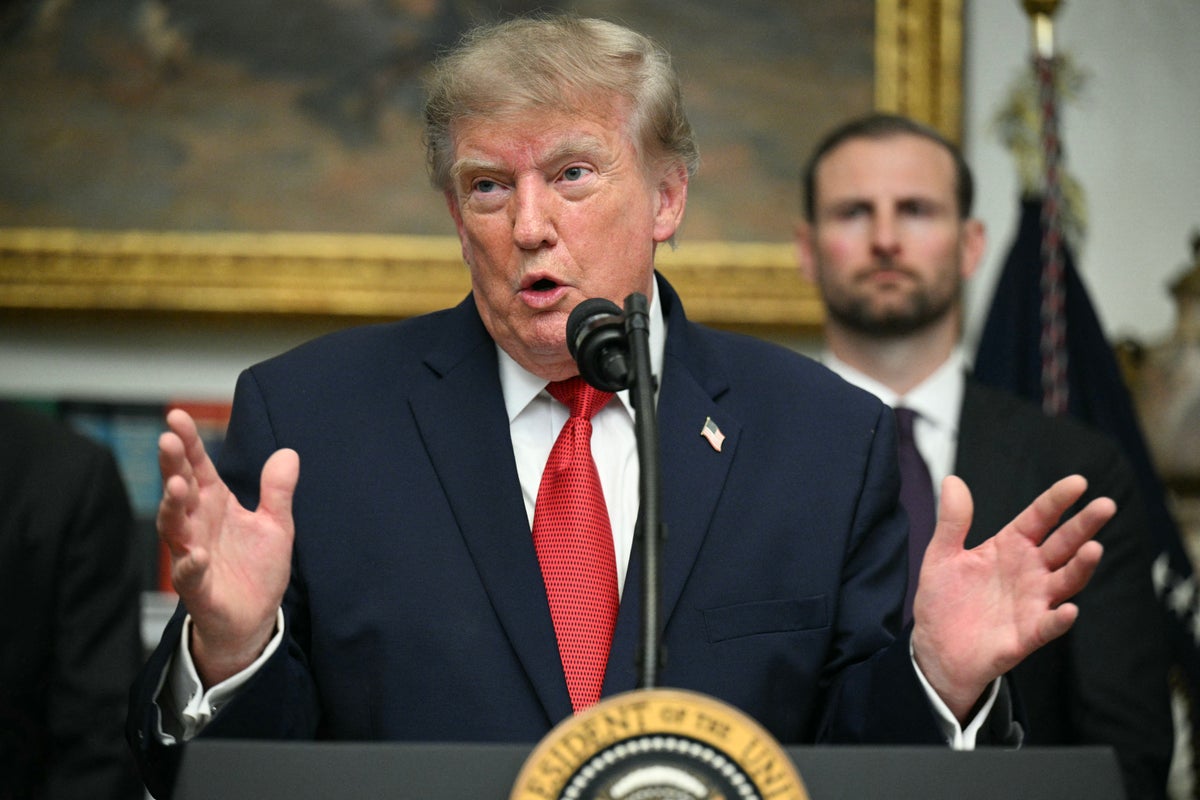
A comprehensive cryptocurrency bill backed by President Donald Trump failed to advance in the Senate on Tuesday, dealing a severe setback to digital asset firms and Republican lawmakers who had spent months pushing the legislation.
Known as the Clarity Act, the measure fell 10 votes short of the 60-vote threshold required to move most bills forward in the 100-seat chamber. Four Republicans — Senators Jerry Moran, Susan Collins, Josh Hawley, and Thom Tillis — voted against the measure alongside all Senate Democrats, leaving the result at 50-49 in favor.
The outcome effectively freezes the legislation, as lawmakers prepare to leave Washington this month ahead of November's midterm elections, where Republicans are fighting to maintain control of both the House of Representatives and the Senate.
Tillis changed his vote from yes to no as a procedural maneuver, preserving his right to call up the measure for reconsideration later.
On Sunday night, Senate Republicans published a revised version of the text in a final effort to resolve concerns raised by the banking sector and select Democrats, but critics remained unpersuaded.
Designed to establish a regulatory structure for digital assets, the Clarity Act was viewed by crypto firms as a way to secure firmer legal ground. The well-funded sector invested hundreds of millions of dollars in lobbying efforts to promote the bill.
Trump, who has generated more than $1.4 billion from his family's cryptocurrency ventures, had called on Congress to approve the measure. He previously sought financial support from the crypto sector during his 2024 campaign, where he declared himself a "crypto president."
Regulatory agencies under his administration, specifically the U.S. Securities and Exchange Commission and the U.S. Commodity Futures Trading Commission, are now set to address the regulatory void, though crafting business-friendly rules without statutory backing could prove difficult.
Analysts and executives emphasize that only Congress can build a permanent framework, warning that administrative rules remain subject to court challenges and political shifts, leaving long-term risks for digital asset companies.
"The CLARITY Act didn't advance in the Senate today, which was a disappointment," said Coinbase CEO Brian Armstrong in a post on social media following Tuesday's vote.
"The SEC and CFTC have the tools they need to create clear rules under existing authority, and I expect will begin working on this in earnest," he added.
That risk is highlighted by the Trump administration's own sweeping rollbacks of dozens of SEC and consumer watchdog regulations implemented during former Democratic President Joe Biden's term.
Markets responded sharply, with Bitcoin, the world's largest cryptocurrency, dropping over 5% as failure became imminent — its sharpest single-day fall since June. Shares in exchange operator Coinbase and stablecoin issuer Circle slid by up to 10%.