Trump 'deciding' whether to 'blow the entire nation up' in Iran threat - USA Today
President Donald Trump told Fox News in a Sept. 20 interview that he is "deciding" on the possibility of escalating the U.S. war on Iran.
"My question is, if and when do I blow the entire nation up? They better behave," said Trump, adding that "very big things" will happen in the war without elaborating on what that would entail.
Trump told Fox News' Trey Yingst that he is "open" to meeting with Iranian President Masoud Pezeshkian during the United Nations General Assembly in New York this week.
Trump has repeatedly raised the possibility of major military escalations during the conflict that began with U.S. and Israeli strikes on Feb. 28, but has not followed through on those proposals.
The Sept. 20 echoes an April threat against Iran when Trump said: "a whole civilization will die tonight, never to be brought back again."
Earlier, Iran's military central command said any new attack would trigger sustained retaliation against U.S. bases and interests and that Washington's regional allies would be considered parties to the conflict. The Iranian military added that it had information that an attack was being prepared, without elaborating on what that information might be.
Iranian Parliament Speaker Mohammad Baqer Qalibaf said Iran would have to keep fighting and negotiating to push back its enemies and consolidate any gains with diplomacy.
The exchange of threats comes as the war has already taken its toll on U.S. allies in the Gulf.
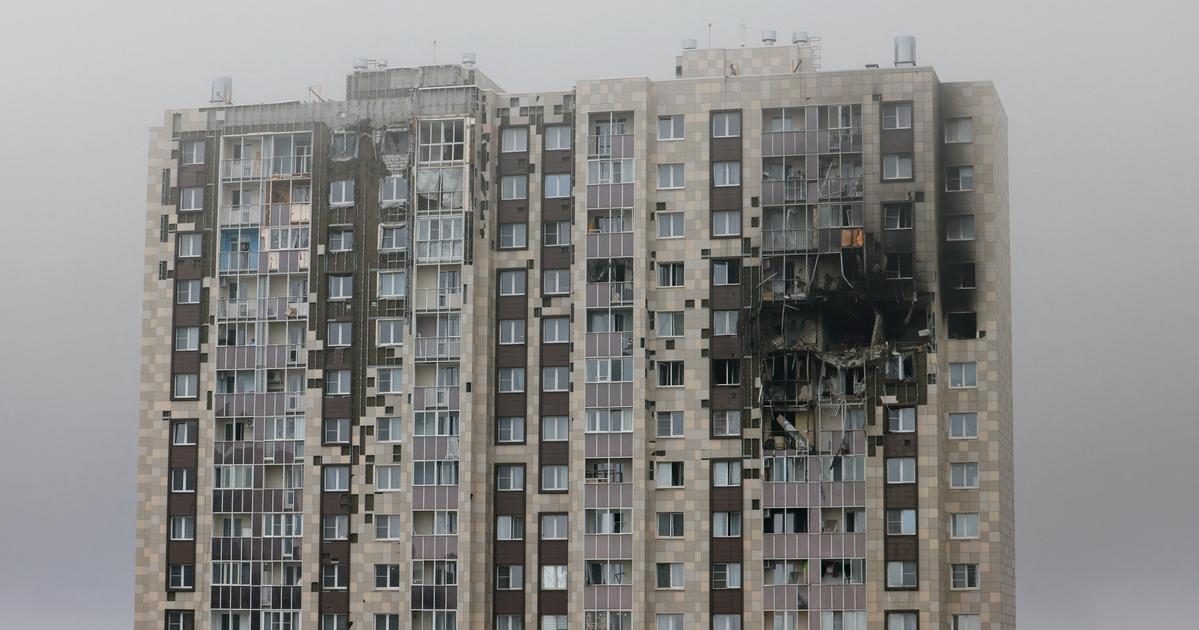
Yemen's Iran-backed Houthi group launched missile and drone strikes at the Saudi capital of Riyadh on Sept. 19, after having made sudden military gains in Yemen's reignited civil war earlier this month. Video published by Reuters showed a massive plume of black smoke billowing from the area of Riyadh's main international airport following booms overnight.
The Houthi gains along the Red Sea coast mean the group's forces now sit on the Bab el-Mandeb Strait, giving them easier control over shipping travelling between the Red Sea and Asia and the ability to blockade the crucial waterway.
With Iran already having blockaded most shipping in the Strait of Hormuz, the oil-rich Gulf's energy exports are now almost entirely cut off from global markets, adding to pressure on oil prices.
Despite the economic damage, there is little sign of reviving the interim ceasefire struck in June that fell apart in July amid disputes over its terms.
The oil price crunch has sent diesel prices to record highs, causing pain for drivers at the pump.
The national average for diesel hit over $6.50 per gallon, the latest record high according to AAA. The price of a gallon of regular gas topped $4.47, more than $1.29 higher than a year ago.
The war has cost the U.S. military at least $43.6 billion as of Sept. 3, according to an update shared with congressional national security committees by U.S. Central Command.
The cost update is almost certainly an undercount, according to previous USA TODAY reporting. It does not include costs to repair buildings at U.S. bases across the Middle East that were damaged or destroyed by Iranian strikes during the war, including the U.S. Navy’s logistics hub in Bahrain.
The Pentagon estimated it has spent $28.1 billion to replace expended munitions like bombs and air defense interceptors. The prolonged conflict in the Middle East has caused a shortage of critical munitions that could leave the United States vulnerable in other parts of the world, such as the Indo-Pacific.
At least 18 Americans have died, and more than 800 have been wounded since the start of the conflict.
Contributing: Zachary Schermele and Miles J. Herszenhorn, USA TODAY; Reuters