Trump extends $100,000 H-1B visa fee: What it means for Indian workers - The Indian Express
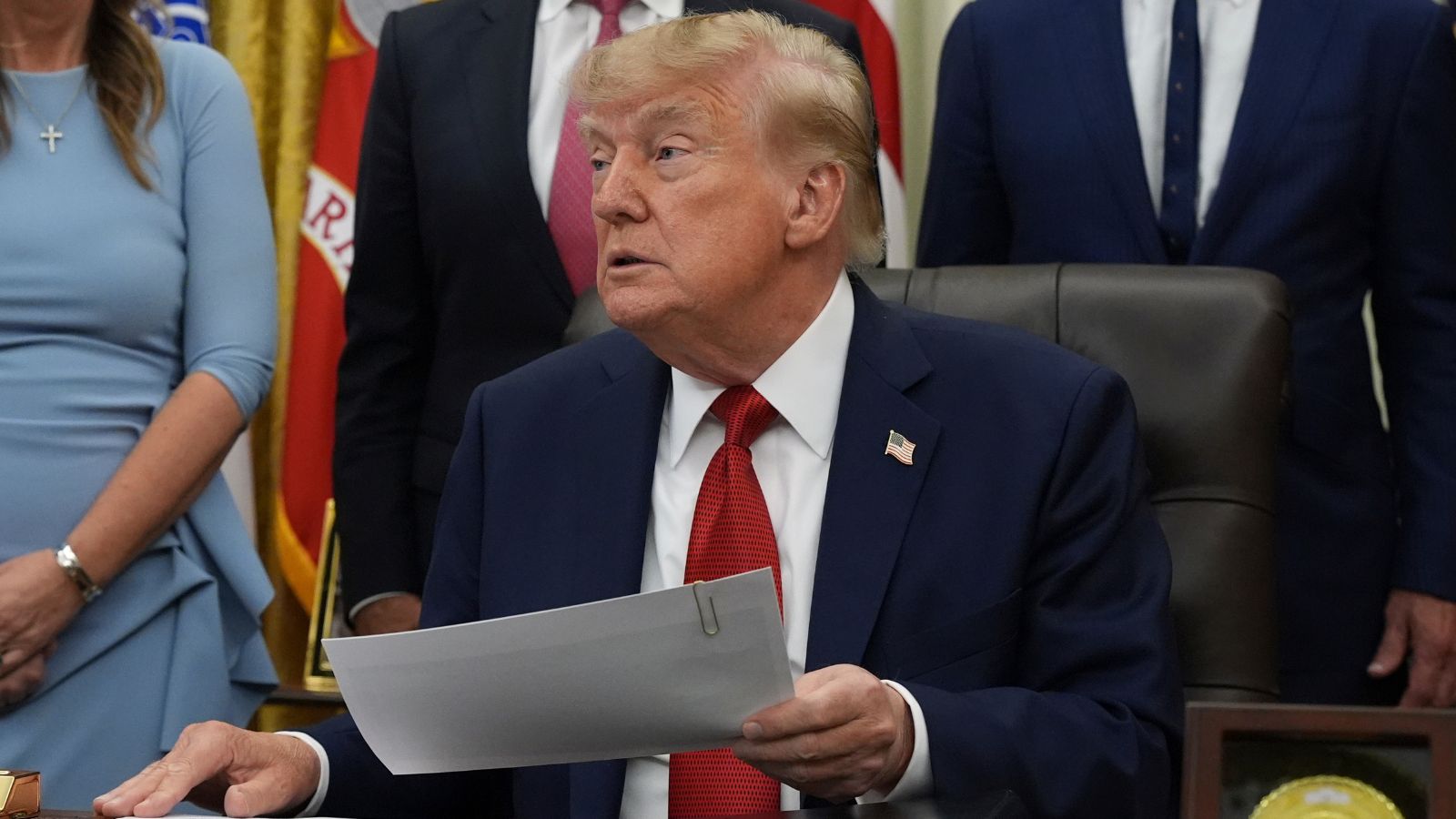
US President Donald Trump has extended for another year a restriction requiring a $100,000 payment for certain new H-1B workers seeking to enter the United States, keeping a major hurdle in place for companies hiring skilled foreign professionals.
The restriction, first imposed in September 2025, will remain in effect until September 21, 2027, under a new presidential proclamation issued on Friday.
The H-1B programme allows US employers to petition to hire foreign workers in speciality occupations, including technology, engineering, research and other skilled fields. The programme has become particularly important for Indian professionals seeking to work in the United States.
Created by Congress in 1990, the H-1B programme is particularly important to technology companies recruiting workers from India and China. India is by far the largest source country — beneficiaries born in India accounted for 71 per cent of approved H-1B petitions in fiscal 2024, compared with 11.7 per cent for China, according to USCIS.
The Trump administration has argued that the H-1B programme has been abused by employers that use lower-paid foreign labour, particularly in the IT staffing and outsourcing sectors. The administration says the $100,000 payment is intended to discourage such hiring and shift recruitment towards higher-skilled, higher-paid workers.
The $100,000 payment is substantially higher than the government fees employers typically faced under the previous H-1B system, although the exact cost varied by employer and type of petition.
The policy is tied up in court. In June, a federal judge in Massachusetts ruled that the Trump administration had exceeded its authority in imposing the $100,000 payment requirement and vacated the government’s actions implementing it. The Boston-based 1st US Circuit Court of Appeals later declined to pause that ruling while the administration’s appeal proceeds.
Separately, the US Chamber of Commerce is challenging the policy in a case before the US Court of Appeals for the District of Columbia Circuit.
The $100,000 requirement does not apply to every H-1B worker. The proclamation targets certain H-1B workers who are outside the United States and seeking entry under a new petition. It does not cover foreign students already in the US who later move into H-1B status or renewals of existing H-1B visas, according to the administration’s policy.
The DHS secretary can also exempt individual workers, companies or industries if their hiring is deemed to be in the US national interest.
Business groups and companies argue that H-1B visas help them recruit highly skilled professionals and fill positions for which they say they cannot find enough qualified US workers. Critics, including supporters of tighter restrictions, argue that some employers use the programme to hire lower-paid foreign workers instead.
The uncertainty is already reshaping hiring decisions. Tighter screening and processing rules have made it harder for companies to plan hiring and growth around H-1B talent. Some of the biggest users of the visa, including Google’s parent company Alphabet, have responded by shifting more of their operations and hiring to India itself, a sign that restricting the visa route may simply push tech jobs offshore rather than bring them back to American workers.
The policy changes have also affected some companies’ hiring and expansion plans, news agency Reuters reported. Major H-1B users such as Google parent Alphabet have increased operations in India, although the extent to which that expansion is directly linked to the H-1B restrictions is unclear.
Alongside extending the $100,000 payment requirement, Trump signed an executive order directing federal agencies to consider employers’ recent or planned layoffs of similarly situated US workers when reviewing H-1B applications. The order also calls for greater coordination and data sharing among agencies involved in administering the programme.
The Express Global Desk at indianexpress.com which delivers authoritative, verified, and context-driven coverage of key international developments shaping global politics, policy, and migration trends. The desk focuses on stories with direct relevance for Indian and global audiences, combining breaking news with in-depth explainers and analysis. A major focus area of the desk is US immigration and visa policy, including developments related to student visas, work permits, permanent residency pathways, executive actions, and court rulings. The Global Desk also closely tracks Canada’s immigration, visa, and study policies, covering changes to study permits, post-study work options, permanent residence programmes, and regulatory updates affecting migrants and international students. All reporting from the Global Desk adheres to The Indian Express’ editorial standards, relying on official data, government notifications, court documents, and on-record sources. The desk prioritises clarity, accuracy, and accountability, ensuring readers can navigate complex global systems with confidence. Core Team The Express Global Desk is led by a team of experienced journalists and editors with deep expertise in international affairs and migration policy: Aniruddha Dhar – Senior Assistant Editor with extensive experience in global affairs, international politics, and editorial leadership. Nischai Vats – Deputy Copy Editor specialising in US politics, US visa and immigration policy, and policy-driven international coverage. Mashkoora Khan – Sub-editor focusing on global developments, with a strong emphasis on Canada visa, immigration, and study-related policy coverage. ... Read More