Trump is no longer China’s biggest trade problem - The Business Times
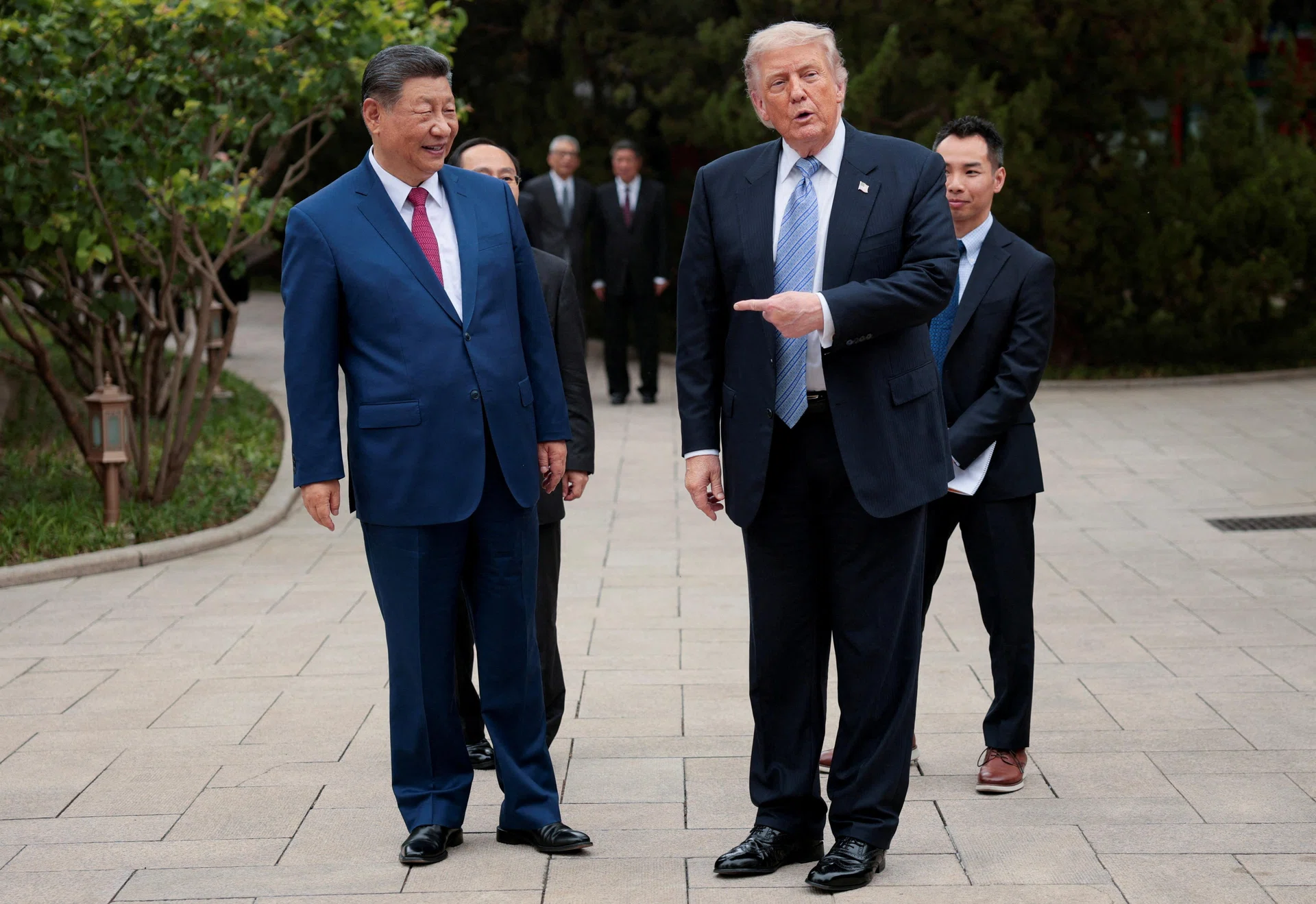
IF PLANS hold, Chinese President Xi Jinping will arrive in Washington on Sep 24 from an unusual position: leading a China that looks economically vulnerable at home, but formidable abroad.
Increasingly, those two conditions are connected.
China’s exceptional export machine has become an economic safety valve and an important source of bargaining power. But it is also becoming a diplomatic liability.
China’s exports surged 25 per cent year on year in August, lifting its monthly trade surplus to US$119.1 billion. Its surplus for the first eight months reached US$806 billion, putting it on course to challenge or exceed 2025’s record US$1.2 trillion.
Exports have continued to deliver growth despite years of US tariffs and technological restrictions. They have also helped compensate for a prolonged property downturn and subdued demand at home.
In the lead-up to the expected Washington meeting, Xi has also underscored China’s impressive global reach. From the Shanghai Cooperation Organisation summit in Bishkek, Kyrgyzstan, to his state visit to Cairo to the Brics summit in New Delhi, Beijing has presented itself as the champion of a more multipolar order and an indispensable partner for countries seeking greater room to manoeuvre outside the ambit of American power.
At the Brics summit, Xi cast the expanded grouping as a voice for the Global South and proposed deeper cooperation in trade, finance and artificial intelligence.
In Egypt, his first visit in a decade showcased China’s ability to combine diplomatic engagement with infrastructure, commerce and investment. The message was clear: China offers development and partnership without asking countries to choose sides.
At a recent meeting of G-20 finance ministers, however, China looked considerably more isolated. It alone objected to language calling on nations with persistent external surpluses to reduce their reliance on exports for growth. The disagreement prevented a joint communique.
Beijing routinely dismisses Western complaints about Chinese overcapacity as protectionism or an attempt to suppress China’s rise. But that defence becomes harder to maintain when concern extends well beyond the US and its closest allies.
While China needs foreign markets to remain open to its products, it seeks to reduce its own dependence on foreign products and technologies. This arrangement is increasingly becoming politically difficult for other countries to tolerate indefinitely.
The European Union, for instance, has a goods deficit with China that has risen from 312 billion euros (US$357.6 billion) in 2024 to nearly 360 billion euros in 2025, as imports grew and exports fell.
Brussels blames Chinese industrial subsidies, import substitution and unequal market access, and has imposed trade remedies on products from electric vehicles to tyres. EU Trade Commissioner Maros Sefcovic is now demanding tangible progress from Beijing by early October.
This complicates the customary question of who holds the stronger hand in Washington. Against Trump, Xi has considerable leverage, but against the wider world economy, China looks increasingly exposed.
Beijing has learnt that instead of simply taxing what America sells, it can restrict what the US needs. Its command of crucial parts of the rare-earth supply chain gives it clout over American industries ranging from semiconductors and energy to aerospace and defence.
Ahead of the summit, Chinese buyers purchased about one million tonnes of American soya beans. China Gas also signed a 20-year agreement for US liquefied natural gas after Chinese imports had largely ceased during 2025’s tariff dispute.
Whether politically directed or commercially driven, such deals furnish the sort of headline Trump values, especially with the US midterm elections approaching in November.
If the meeting goes ahead, it is likely to centre on the pressure points already defining the relationship: tariffs, export controls, critical minerals, agricultural purchases, technology restrictions and strategic issues such as Taiwan and Iran.
Trump will want visible deliverables; Xi will want greater stability and restraint from Washington.
The most plausible outcome is not a grand bargain but another managed truce: commercial announcements, limited cooperation in areas such as AI safeguards, and a commitment to keep talking.
But that would not resolve the larger asymmetry. Trump may be tempted by transactional wins. Xi’s deeper problem is that even a favourable deal in Washington would do little to ease the wider pressure building around China’s export model.
For Beijing, changing course is harder than acknowledging the problem.
Weak domestic demand has reinforced reliance on manufacturing and investment in strategic industries. Fierce competition at home pushes Chinese companies to seek markets abroad. Strong exports then produce larger surpluses, which prompt more foreign governments to erect trade barriers.
Beijing’s response to the first Trump administration was to reduce its dependence on the US, diversify its markets and develop the means to retaliate.
That strategy has made China a more formidable adversary for Washington. But it has also redirected more Chinese production towards countries increasingly determined to protect their own industries.
Brazil, for instance, is both a fellow Brics member and a major Chinese trading partner, yet it has imposed anti-dumping duties on Chinese steel products.
Indonesia has welcomed extensive Chinese investment while tightening import controls and proposing safeguards for industries threatened by surging imports. Mexico has hiked tariffs on Chinese goods.
These countries may welcome a more multipolar order without accepting an economic relationship that steadily erodes their manufacturing base.
The Chinese leader may be able to negotiate another truce with Trump. The harder negotiation is with a world that welcomes China’s trade, investment and even challenge to American dominance, but increasingly resists the economic consequences of it. THE STRAITS TIMES
Decoding Asia newsletter: your guide to navigating Asia in a new global order. Sign up here to get Decoding Asia newsletter. Delivered to your inbox. Free.