U.S. proposes US$5 billion fund to rebuild damaged infrastructure across Middle East from Iran war - National Post
Motorists drive past a plume of smoke rising from a reported Iranian strike in the industrial district of Doha, Qatar, on March 1, 2026. Photo by Mahmud Hams/AFP via Getty ImagesArticle contentThe Trump administration has proposed a US$5 billion fund to help rebuild critical infrastructure across the Middle East damaged in the war with Iran even though the seven-month conflict continues.
The so-called Partnership for Allied Construction & Trust would be led by the U.S. Development Finance Corporation with the goal of encouraging investment, reconstruction and economic expansion, according to a document outlining the idea.
The document from the DFC, the contents of which were seen by Bloomberg News, says “the region has suffered substantial physical damage and rising risk premia, driving a period of heavy critical-infrastructure need.” Its contents were reported earlier by the Wall Street Journal.
Columnist Jesse Kline keeps you up to date with what’s happening in Israel and the effects of antisemitism on life here in Canada. Friday mornings.
A welcome email is on its way. If you don't see it, please check your junk folder.
The next issue of Channel Israel will soon be in your inbox.
We encountered an issue signing you up. Please try again
Whether or not its proposals come to fruition, the document appears aimed in part to assuage concern from U.S. allies in the region about the Trump administration’s plans for after the war ends.
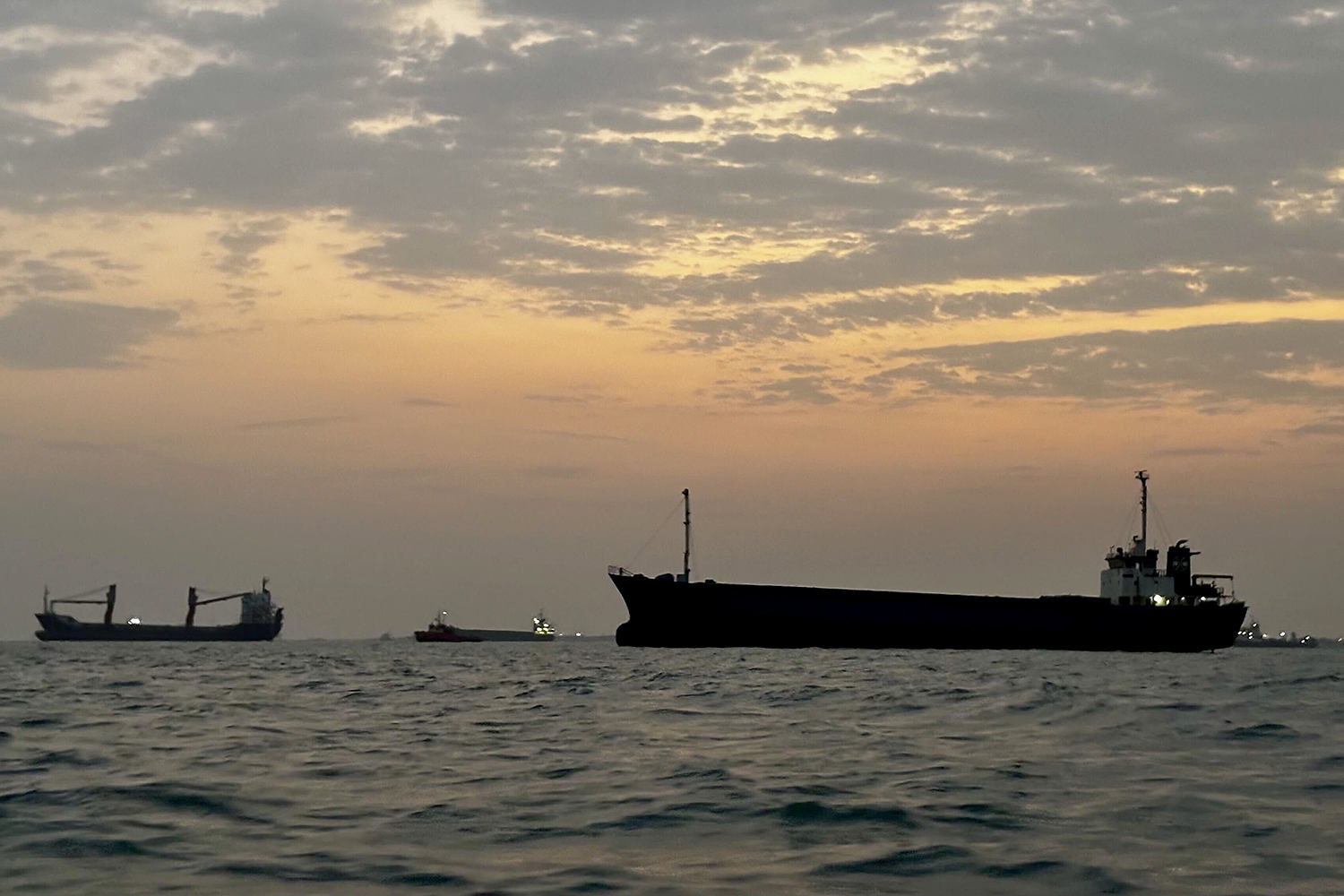
Iran and its proxies have adopted a strategy of targeting U.S. allies including the United Arab Emirates, Bahrain and Saudi Arabia in response to months of U.S. attacks. Those countries’ economies have also been roiled by Iran’s move to choke off commercial shipping traffic through the Strait of Hormuz.
Four types of projects are highlighted in the document as priorities for the platform: investments to help bypass the Strait of Hormuz, restoration of energy flows and critical material exports, hardening assets against future attacks, and rebuilding essential domestic infrastructure and import flows.
The document outlines “sample target investments” that include a “multi-phase expansion of Hormuz bypass” in Saudi Arabia, involving pipeline and port work.