Unrecognized as Cultural Heritage, Wayang Potehi Survives in the Hands of Young Indonesians
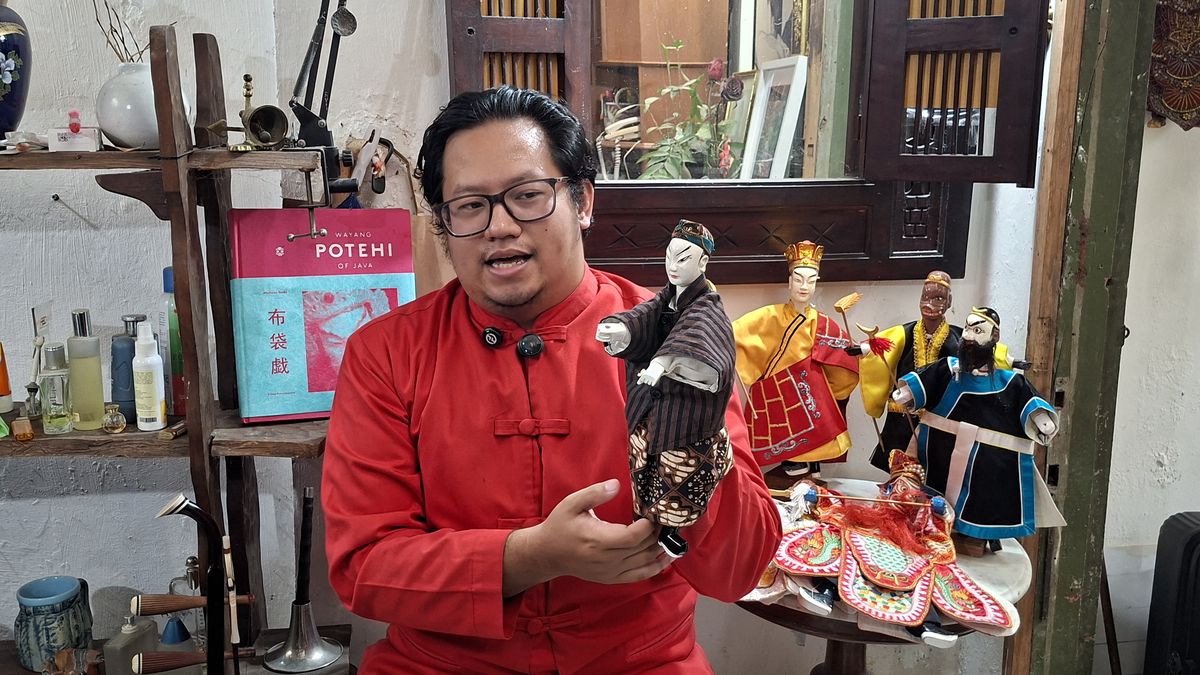
JAKARTA, KOMPAS.com - The art of Wayang Potehi has yet to be recognized as a national cultural heritage in Indonesia, despite having survived and assimilated with Indonesian culture for hundreds of years.
This situation has caused the popularity of Wayang Potehi to decline amid the surge of digital culture.
This challenge is also felt by Sanggar Siauw Pek San, the only Wayang Potehi cultural troupe in Jakarta that continues to preserve and promote this art form.
Andika Pratama (28), chairman of the Wayang Potehi Sanggar Siauw Pek San, said that this art, which he pursues as a Chinese Indonesian descendant, has not yet received formal protection or recognition from any institution or governmental agency.
"Up until now, some institutions or agencies do not regard Wayang Potehi as part of Indonesia’s wayang heritage. It’s not officially recognized as wayang, nor as a national heritage asset like wayang kulit," Andika told Kompas.com in a conversation at his studio on Friday (18/9/2026).
Despite operating without official status, Andika and eight other troupe members refuse to give up.
The literature graduate, together with two co-founders, founded the troupe in 2023 to independently establish a preservation hub in Jakarta.
Until now, Wayang Potehi has primarily thrived in Central and East Java, believed to be the first areas where this culture landed with Chinese immigrant ancestors hundreds of years ago.
Jakarta, home to a large Chinese Indonesian community, is seen as a logical place for Wayang Potehi’s development and preservation.
"Our concern is to bring what we’ve learned from the seniors in East Java to Jakarta. To create a hub or troupe, a place where anyone interested can start learning about Wayang Potehi," Andika explained.
Now in its third year, Sanggar Siauw Pek San has nine active members who work to preserve the art by crafting puppets, creating new storylines, and performing in various regions.
Interestingly, although this art is closely associated with Chinese culture, the troupe members come from diverse ethnic backgrounds including Chinese, Javanese, Batak, Betawi, and Sundanese.
"We try to keep costs low, for example, purchasing complete puppets in East Java can be expensive—between Rp 500,000 to Rp 1 million each. We usually buy parts—just the heads or hands—and make or assemble the costumes ourselves," he said.
Andika also acknowledged that the lack of official government recognition has limited governmental support.
However, he noted the government has not been completely hands-off. The troupe once collaborated with and received support from the Indonesian Ministry of Culture when invited to perform in Palermo, Italy.