
US cracks down on Russian oil buyers but exempts itself from buying Uranium
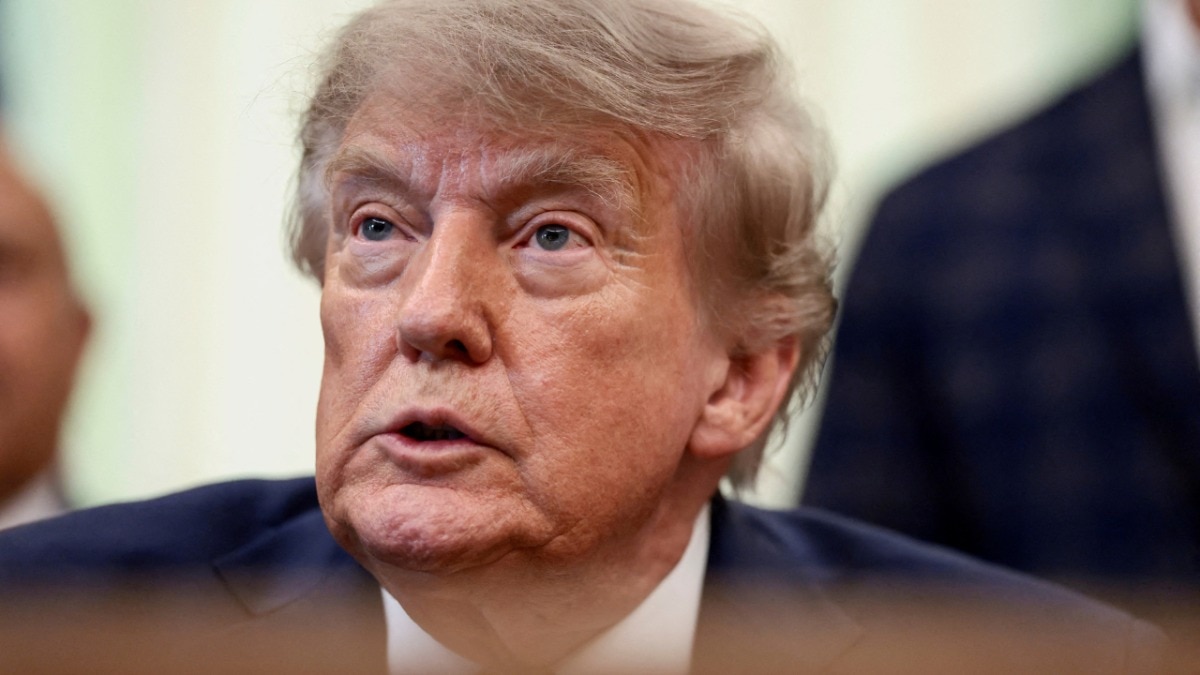
The United States is ready to punish countries for buying Russian oil and gas, with new sanctions and tariffs of up to 100 per cent hanging over Moscow's energy customers, which includes India and China. But when it comes to Washington's own nuclear fuel needs, the rules becomes little more flexible -- the same bill leaves the US a convenient escape hatch for civilian nuclear cooperation and certain uranium imports form Russia.
The Lindsey O. Graham Sanctioning Russia and Iran Act of 2026, which cleared the US House of Representatives on Wednesday, gives President Donald Trump authority to impose tariffs of up to 100 per cent on goods from countries that continue buying Russian-origin crude oil or natural gas or help Moscow evade sanctions.
But buried inside the sweeping Russia sanctions package is a significant nuclear carve-out.
The legislation requires the US President to implement existing restrictions on uranium imports from Russia, including uranium supplied by Rosatom State Atomic Energy Corporation and its subsidiaries. At the same time, another section of the bill says the sanctions will not apply to activities carried out under US-Russia civilian nuclear cooperation agreements or to certain imports of low-enriched uranium used by nuclear reactors.
Section 111 of the legislation directs the US President to implement the requirements of an existing US law governing Russian uranium imports. It specifically mentions uranium from Rosatom and any subsidiary or successor entity.
But Section 114 creates two important exceptions.
One says the sanctions title does not apply to activities conducted under a US-Russia civilian nuclear cooperation agreement made under Section 123 of the Atomic Energy Act.
Another exempts certain imports of low-enriched uranium for nuclear reactors covered by existing US law, as well as some medical-isotope imports for which a waiver has been issued.
That means the bill does not amount to a blanket cutoff of every nuclear transaction involving Russia. Instead, it layers new sanctions over an existing nuclear fuel regime that already includes exceptions and waiver mechanisms.WHY RUSSIA STILL MATTERS TO US NUCLEAR POWER
The exception reflects a longstanding reality of US nuclear dependence. Russia has been a major player in uranium enrichment even as Washington has sought to reduce its broader economic dependence on Moscow.
US civilian nuclear operators received 12.71 million Separative Work Units (SWU) of enrichment services in 2025. Russia accounted for 3.284 million SWU, or about 26 per cent of the total. US-origin enrichment accounted for 23 per cent, with France, the UK and the Netherlands also supplying enrichment services.
The data explains how the US is so dependent on Russia.
Nuclear fuel is different from crude oil. Uranium must pass through several stages, including conversion and enrichment, before it can be used in most commercial reactors. Russia developed a large enrichment industry, giving its nuclear sector an important position in the global fuel market.
The US has been trying to reduce that dependence. In May 2024, Washington banned imports of Russian uranium products, while allowing companies to seek waivers through January 1, 2028. The move was accompanied by 2.72 billion dollar in funding to strengthen the US nuclear fuel supply chain.
The nuclear provisions sit alongside much steep measures targeting Russian officials, financial institutions, oligarchs, the energy sector and shadow fleet of tankers used to evade sanctions.
The Senate Foreign Relations Committee said the legislation was intended to hold major purchasers of Russian oil and gas accountable for supporting Moscow's war in Ukraine. The House passed the bill 262-159, with 58 Democrats joining most Republicans in supporting it. The Senate had approved it 86-11.
The legislation now goes to Donald Trump's desk for his signature, and he is highly likely to sign the bill into law.- EndsPublished By: Satyam SinghPublished On: Sep 17, 2026 22:16 IST


