
US holds back from helping Saudi Arabia after talks with Houthis in Oman
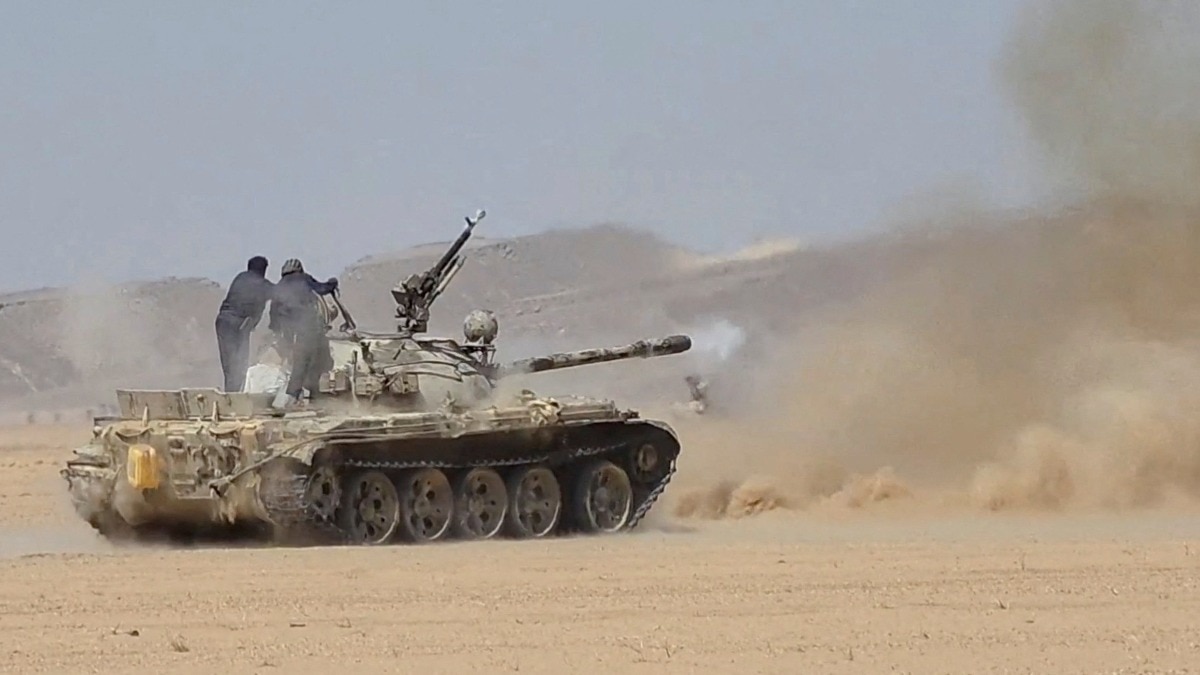
The United States has so far opted against direct military intervention in Yemen after US officials held talks with Iran-backed Houthi leaders in Oman over the weekend, according to The Guardian, putting the focus back on Saudi Arabia as it confronts the group's rapid advance.
The meeting, held at the US Embassy in Muscat, reportedly gave Washington assurances that the Houthis would maintain their ceasefire with the US and would not target American vessels in the Red Sea. According to news agency Reuters, three sources said the meeting was held at the US Embassy in Muscat, while two other sources said Oman helped facilitate the talks.
The development comes after the Houthis seized large parts of Yemen's Red Sea coastline in a rapid offensive, pushing back Saudi-backed forces and taking control of strategic areas near the Bab el-Mandeb Strait. The group has also stepped up drone and missile attacks inside Saudi territory, including towards Mecca, which Riyadh said was intercepted before the drone entered the holy city's restricted airspace.US STAYS OUT AS HOUTHIS ADVANCE
According to the report, the Houthis told US officials that the 2025 ceasefire remained in place and that they had no intention of attacking US shipping in the Red Sea. One Reuters source said the group also indicated it would not target Israeli or commercial vessels, and Saudi-linked shipping would be treated separately.
Trump has warned that the Houthi advance could threaten the vital shipping route while stopping short of committing US forces to defend Saudi Arabia, but the talks help explain why Washington has yet to step in militarily.
US Vice-President JD Vance confirmed on Monday that Washington was in direct contact with the Houthis, although he did not disclose details of the discussions.
Former US deputy ambassador to Yemen Nabeel Khoury described the situation as a "kind of tacit understanding" between Washington and the Houthis.
"The Houthis are promising the American administration that American and international navigation will not be affected in the Red Sea, but the only danger is to Saudi ships or those carrying Saudi oil." Khoury said, as quoted by The Guardian.RIYADH FACES PRESSURE TO ACT
Washington's decision to stay out puts greater pressure on Saudi Arabia to contain the Houthi advance, either through negotiations or by building a regional coalition. Saudi Crown Prince Mohammed bin Salman had contacted Trump last week seeking US military support. Washington subsequently indicated that it would not become directly involved.
The Houthis have fought a Saudi-led coalition for more than a decade. The conflict had eased under a ceasefire in recent years but flared again after the group imposed a blockade on Saudi shipping in July.
The US designated the Houthis a "foreign terrorist organisation" in March 2025. Washington later negotiated directly with the group and reached a ceasefire in May 2025 after a two-month US bombing campaign.
Tensions rose further after Saudi warplanes pounded Yemen, while Iran-backed Houthi fighters launched drones and missiles towards Saudi Arabia. The Houthis, who have rapidly expanded their presence across towns along Red Sea coast since last week, also claimed to have carried out fresh attacks on Yanbu.
The group said it had shot down a Saudi F-15 near Marib and targeted an Aramco facility in Yanbu, which is a key Red Sea port.
The escalation is also putting fresh pressure on regional energy markets. Oil prices remained above 100 dollars per barrel as major Saudi east-west pipeline stayed shut after a bombing incident.- EndsWith inputs from agenicesPublished By: Satyam SinghPublished On: Sep 17, 2026 01:25 IST


