What are the new rules for tenants and landlords in Ontario? - Toronto Star
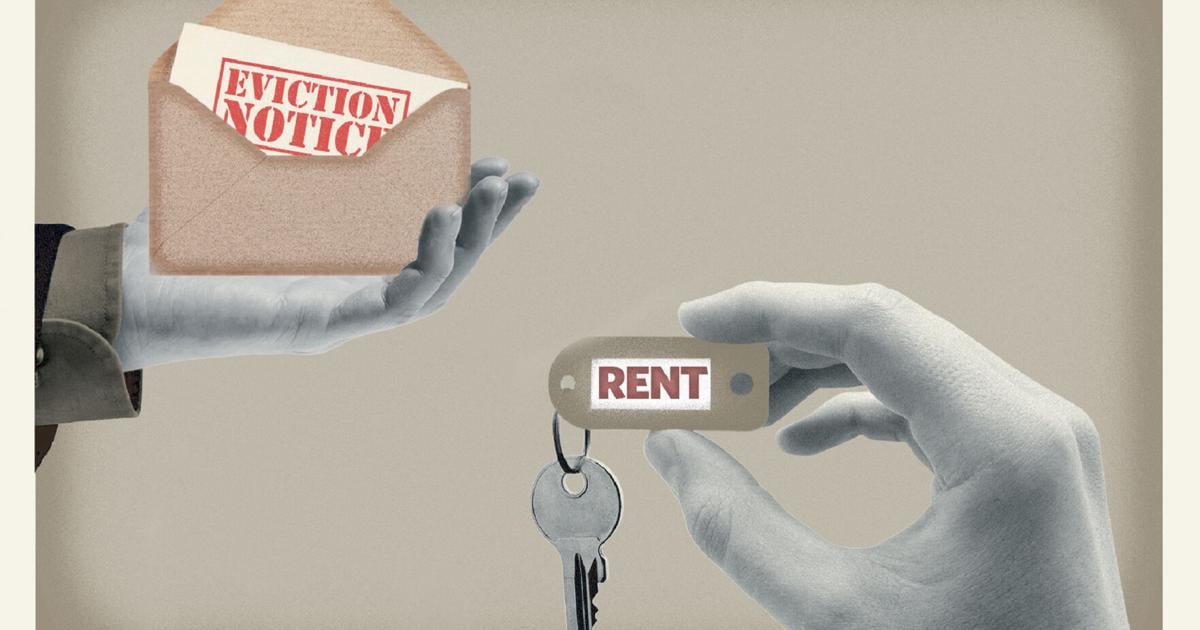
Here's what the province's new rental rules mean for tenants and landlords.
The province is implementing amendments to the Residential Tenancies Act to speed up the eviction and tenancy termination process.
Not long after Nadia Elkharadly began managing her elderly relatives’ downtown Toronto rental unit in 2020, their tenant stopped paying rent.
It started with a polite text message from the tenant, asking for a brief extension. Wanting to be compassionate, Elkharadly and her relatives agreed. But a few days turned into months. Then the tenant stopped replying altogether, leaving months of unpaid rent with no formal repayment agreement in place.
What followed was what Elkharadly calls a “gruelling” 11-month ordeal through Ontario’s heavily backed-up tribunal process. The Landlord and Tenant Board (LTB) eventually ruled in their favour, but the tenant had already vacated, leaving the family to absorb nearly a year of carrying costs.
Stories like Elkharadly’s illustrate problems Ontario’s newly enacted rental rules intend to address.
The province is implementing amendments to the Residential Tenancies Act (RTA) through Bill 97 and Bill 60 to speed up the eviction and tenancy termination process at the Landlord and Tenant Board, with major provisions taking effect on July 1, 2026, and Sept. 21, 2026.
From taxes to credit implications, key considerations before signing.