Who is polluting SA’s water? New register set to expose polluters - IOL
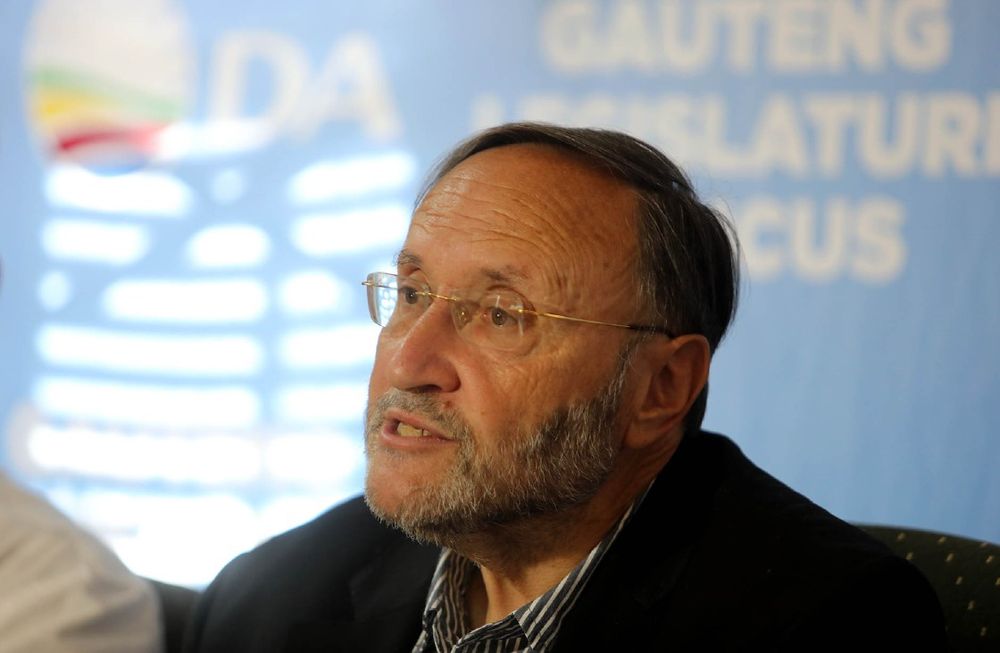
The Department of Water and Sanitation (DWS) Deputy Minister Jack Bloom. The department is expected to launch its National Pollution Register on Thursday.
South Africans will soon be able to see which municipalities, companies and other entities have faced formal enforcement action for polluting the country's water resources, on October 1, 2026.
The Department of Water and Sanitation (DWS) is expected to launch its National Pollution Register on Thursday. According to DWS, the register will give the public access to information on entities that have been issued directives, convicted of pollution-related offences, or ordered by courts to pay damages arising from water pollution.
Ahead of the launch, Deputy Minister of Water and Sanitation Dr Jack Bloom will visit two sites that demonstrate how upstream pollution can affect water available to downstream communities.
The first stop will be the Hartebeestfontein Wastewater Treatment Works, which was issued a DWS directive in August 2025 regarding pollution. Wastewater from the area ultimately flows downstream towards Rietvlei Dam. The DWS said the delegation will then visit the Rietvlei Water Treatment Plant.
“Rietvlei Dam is a source of raw water for the plant, but deteriorating raw-water quality has affected the City's ability to use the dam as a drinking-water source. The oversight visits will be followed by the official launch of the register, including a demonstration of how the public can use it,” Bloom said.
WaterCAN, a South African civil society organisation, executive director Dr Ferrial Adam said the National Pollution Register is a positive step in principle, but its real value will depend on how transparent and bold the government is prepared to be.
“We are waiting to see whether it will name and shame polluters regardless of who they are — whether municipalities, other government institutions or private companies.” Adam said.
Adam said South Africans have a right to know who is polluting rivers, dams and water sources, but naming polluters is only the first step.
“We also need to see what enforcement action is being taken, whether penalties are meaningful and, most importantly, whether the pollution actually stops,” she said.