why-did-gold-and-silver-crash-on-friday-price-drop-reasons-explained - Republic World
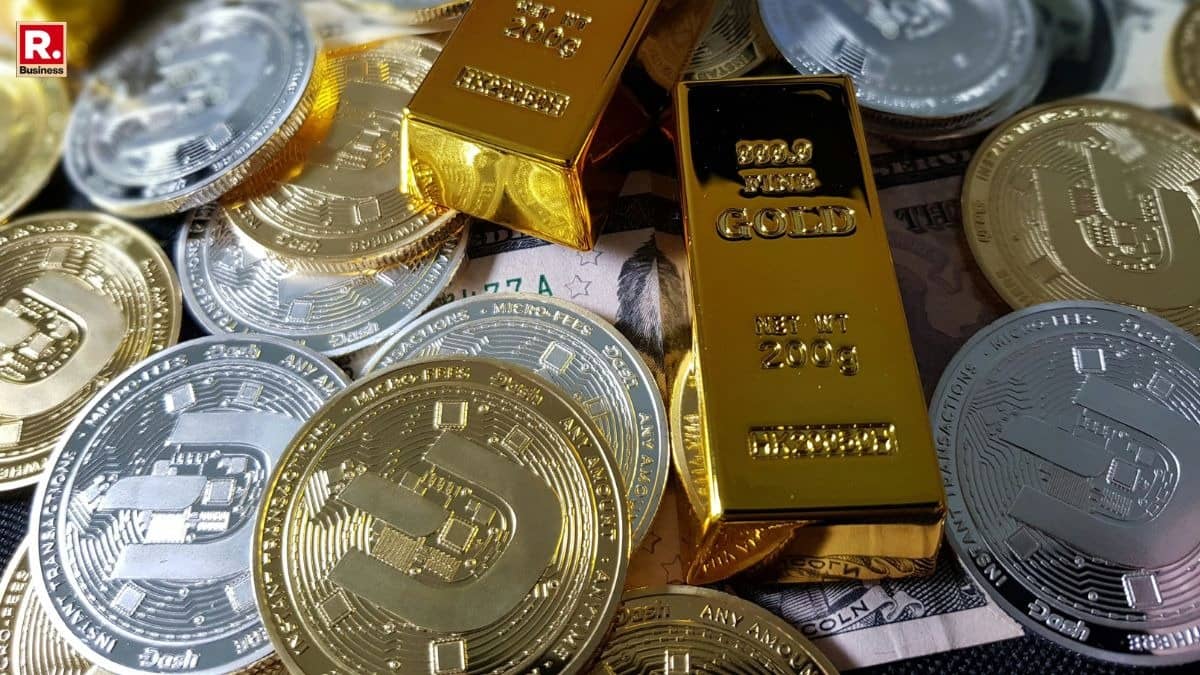
Gold and silver prices suffered a steep and sudden sell-off on Friday, marking one of the sharpest single-day declines in decades, as global markets reassessed the outlook for interest rates following US President Donald Trump’s appointment of Kevin Warsh as the next Chair of the Federal Reserve.
The fall came just a day after both precious metals had surged to record highs. It was driven by expectations of easier monetary policy, inflation hedging, and strong speculative interest. Friday’s reversal showed how quickly sentiment can shift when policy expectations change.
The scale of the sell-off was striking.
In the Indian market, the impact was also sharp. On the MCX, gold futures fell by over ₹15,000–₹20,000 per 10 grams during the session, while silver prices dropped by more than ₹60,000 per kilogram, as traders rushed to cut positions.
The immediate trigger for Friday’s crash was the market reaction to President Trump’s decision to appoint Kevin Warsh, a former Federal Reserve governor, as the next Fed Chair.
Warsh is widely perceived as more hawkish on inflation and monetary discipline than what markets had priced in. Until Thursday, investors were betting on aggressive interest-rate cuts in the US, a scenario that typically supports gold and silver, which do not offer any yield.
For precious metals, it was a decisive shift. Higher yields and a stronger dollar directly erase the appeal of holding gold and silver.
Beyond the policy shock, the sell-off was magnified by aggressive profit-booking. Gold and silver had rallied sharply over the past few weeks, with silver significantly outperforming gold as speculative interest surged.
By mid-week, both metals were trading in deeply overbought territory. This prompted large institutional investors and hedge funds to lock in gains at the first sign of a macro shift.
Once prices started falling, selling accelerated quickly.
The speed of the crash was amplified by market mechanics.
Silver, in particular, is known for its highly leveraged futures trading and relatively thinner liquidity compared to gold. As prices broke key technical support levels, stop-loss orders were triggered, and margin calls forced traders to liquidate positions.
Algorithmic and momentum-based trading systems added to the pressure. This led to a cascade of selling across global exchanges. What began as profit-taking quickly turned into a broad liquidation.
Silver’s sharper fall reflects its dual identity. Unlike gold, which is primarily a monetary and safe-haven asset, silver also has significant industrial demand. This makes it more sensitive to shifts in economic outlook and risk sentiment.
Historically, silver tends to rise faster than gold during rallies and fall harder during corrections. The same pattern played out dramatically on Friday.
Despite the severity of the fall, many market participants see the move as a violent correction rather than the end of the precious metals story. Gold remains significantly higher on a year-to-date basis, and long-term drivers such as central bank buying and geopolitical uncertainty remain in place.
However, Friday’s rout served as a reminder that even traditional safe-haven assets are vulnerable when rallies become crowded and heavily leveraged.
As markets now digest a potentially firmer US monetary stance under the new Fed leadership, volatility in gold and silver prices is expected to remain elevated in the near term.