Why Gauteng women are not using free contraceptives - IOL
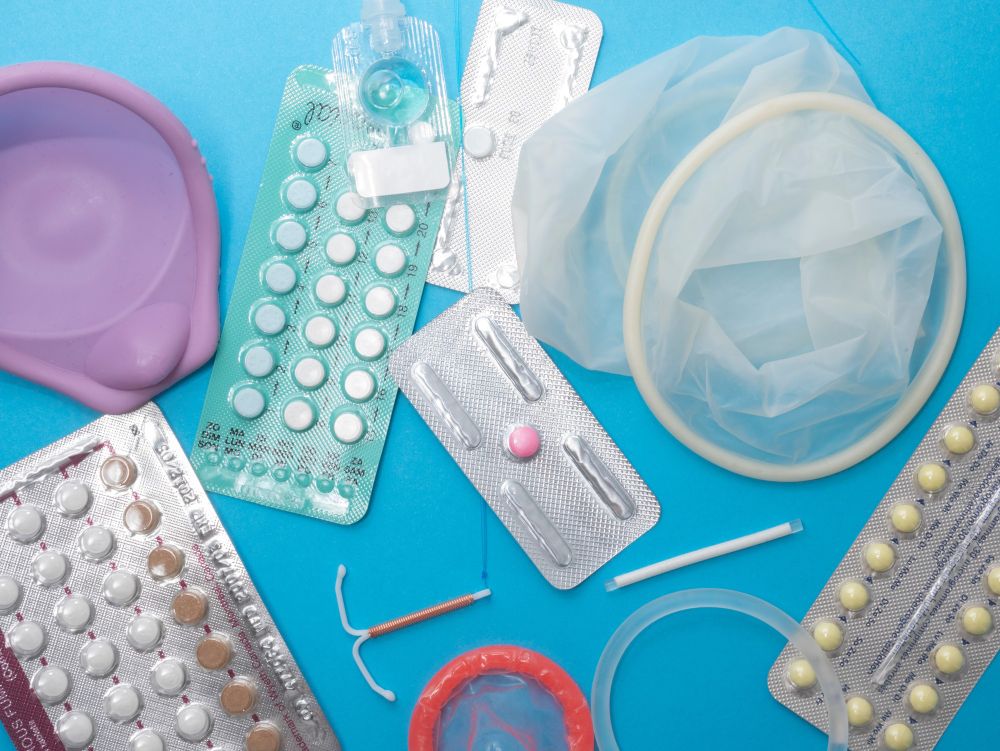
Low contraceptive uptake in Gauteng is contributing to unintended pregnancies, prompting the provincial Department of Health to urge women of reproductive age to make greater use of free family planning services.
The Gauteng Department of Health has expressed concern over the continued low uptake of contraceptives among women of reproductive age, saying it remains a significant contributor to unintended pregnancies in the province.
According to available data, an estimated 75% of unintended pregnancies in South Africa are linked to low contraceptive use, the department said.
Departmental spokesperson Steve Mabona said the trend was also reflected in Gauteng, where only 32.45% of eligible women accessed contraceptive services during the first quarter of the 2026 and 2027 financial year, against a target of 43%.
“The low uptake of contraceptive methods contributes significantly to the number of women requiring Choice on Termination of Pregnancy services, which are freely available across public healthcare facilities in the province,” Mabona said.
“While these services remain an important component of reproductive healthcare, the department is concerned that many women continue to miss opportunities to prevent unintended pregnancies despite the availability of a wide range of safe, effective and free contraceptive methods at public healthcare facilities.”
He encouraged women and girls of reproductive age to make use of contraceptive services to prevent unintended pregnancies and improve their overall reproductive health outcomes.
The department said available options include long-acting reversible contraceptives such as the subdermal Implanon, intrauterine contraceptive devices and Copper T, as well as injectable contraceptives such as Nur-Isterate and Depo-Provera.
Oral contraceptives available include Triphasil, Microval and Nordette, Mabona said.
Mabona said the department acknowledges that misconceptions and fears surrounding contraceptive use remain barriers to uptake.
“Many women cite concerns about side effects and possible infertility as reasons for not using contraceptives,” he said.
“However, these concerns are often linked to inadequate knowledge and misinformation about the various safe and reversible contraceptive options available.”
He said the benefits of contraceptive use outweigh the potential side effects.
“Access to contraception empowers women and families to make informed reproductive choices, improves maternal and child health outcomes, and reduces the risks associated with unintended pregnancies.”
Contraceptive services are available free of charge at all levels of public healthcare, including clinics, community health centres, hospitals and mobile health services, the department said.
“All health facilities have trained and competent healthcare professionals who provide counselling as well as insertion and removal services for long-acting reversible contraceptives,” Mabona said.
To further expand access, the department has service-level agreements with selected private healthcare providers to offer contraceptive services and share service data with the department.
As the global community commemorates World Contraception Day on September 25 under the theme “No Barriers, Just Choices: Contraceptive Access Now”, the department is using the occasion to raise awareness about contraception, debunk myths and misconceptions, and empower communities, particularly young people, to make informed decisions about their sexual and reproductive health.
“The department further emphasises that contraceptive services are also provided through Youth Zones at healthcare facilities,” Mabona said.
“These dedicated youth-friendly services allow young people to access contraceptives, information and support in a safe and confidential environment, including after-school hours.”
Mabona said while contraceptives remain among the most effective ways to prevent unintended pregnancies, they do not protect against HIV and other sexually transmitted infections (STIs).
“Sexually active individuals are encouraged to use condoms consistently and correctly to prevent HIV transmission and reduce the spread of STIs,” he said.
He added that HIV prevention methods such as pre-exposure prophylaxis (PrEP) and lenacapavir are also available at public healthcare facilities.
In addition to contraceptive services, Gauteng public healthcare facilities provide a range of sexual and reproductive health services, including pregnancy testing, antenatal care, STI screening and treatment, breast and cervical cancer screening, and HIV counselling and testing.
Mabona said during the 2025 and 2026 financial year, the department provided contraceptive services to 2,915,945 women of reproductive age, demonstrating the continued availability and accessibility of family planning services across the province.