Why Pokémon is still everywhere after 30 years - IOL
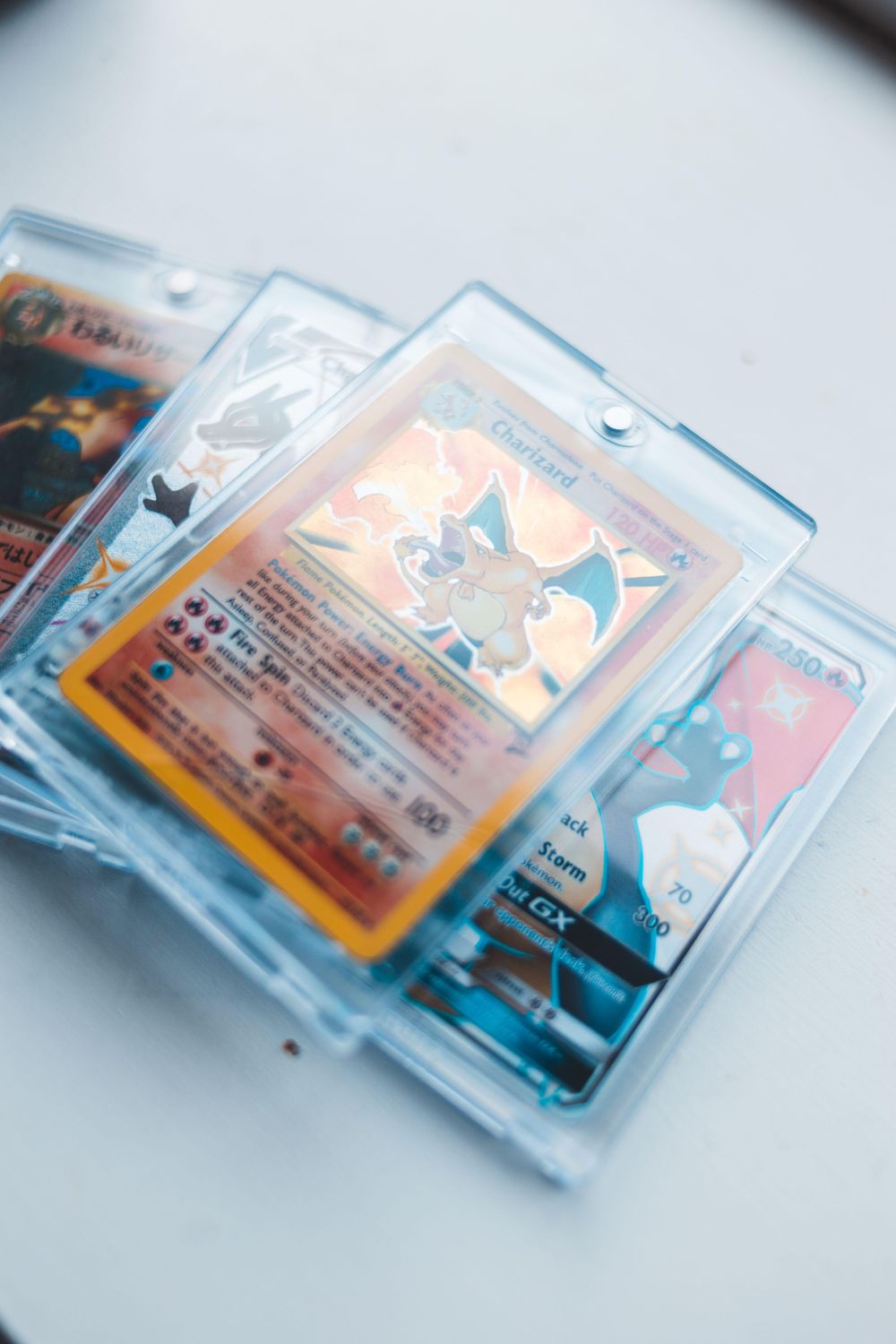
From what was a simple concept in a game about collecting and exploring, trading and battling, turned into a social experience with cross-generational appeal.
By now, you know someone (or you are the someone) who is all about Pokémon, whether it is playing, collecting, trading or investing. If you are on the outside of the scene looking in, it might be mind-boggling as to how something that started as a regular game could be this big.
When Pokémon Red and Blue arrived in Japan in 1996, the concept was relatively simple: players travelled through a fictional world, caught creatures, trained them and battled other Pokémon.
Three decades later, Pokémon has become much more than a video-game series. It spans games, trading cards, animated television, films, toys, clothing, collectables, mobile games and collaborations with major brands. And yes, there is money in Pokémon, but more on that later.
Franchises have an expiration date. Sometimes, there will be attempts to save a franchise by releasing a movie, series or a new product to create excitement, but more often than not, franchises and their hype die down after years. But Pokémon seems almost invincible.
Pokémon's longevity comes from several things working together.
From what was a simple concept in a game about collecting, exploring, trading and battling, it evolved (see what I did there) into a social experience with cross-generational appeal, allowing parents who grew up with and loved Pokémon to introduce it to their children.
The original Pokémon games were developed by Game Freak and published by Nintendo. The first titles, Pokémon Red and Green, were released in Japan in February 1996 for the Game Boy.
The games introduced the basic formula that remains central to the franchise: catch Pokémon, train them, battle with them and trade them with other players.
The Game Boy's link cable was groundbreaking and stood out at the time because it allowed players to trade Pokémon between games. This made collecting a social experience rather than something that happened entirely on one console.
The Pokémon animated series helped introduce the characters to audiences who may never have played the Game Boy games.
This was especially the case for us in South Africa. Most of us remember coming home just in time to watch the show on SABC 2 (shoutout to my fave, Tube) as well as ETV. While we might not have had access to the GameBoy, the anime is initially what made us love the franchise.
Although fictional, Ash Ketchum and Pikachu became household names, while the television series gave personality and stories to Pokémon that had originally existed primarily as game characters.
That helped Pokémon move beyond being a video-game property and become a broader entertainment brand.
Our Tazo-collecting selves didn't know it at the time, but Pokémon would then up the ante by adding the Pokémon Trading Card Game (TCG) to the franchise.
Players could collect cards, trade them and compete with decks. Over time, some cards also became highly sought-after collectables.
This move was interesting as it created a Pokémon audience that did not necessarily need to own a video game to participate in the franchise.
Currently, this is where the appeal lies for older fans who might be more interested in the finance part of it.
Card collectables can actually give massive returns, as there are cards that are sought-after collectables. So whatever you do, don't be talked into throwing away your cards from back in the day. You will regret it.
Nostalgia plays a massive role, but Pokémon has not remained frozen in the 1990s.
The core idea may be familiar, but new generations of games introduce new Pokémon, regions and gameplay mechanics. The franchise has also expanded into mobile gaming, such as Pokémon Go.
Pokémon remains visible among adults because people who encountered the franchise in the 1990s and early 2000s grew up with it. By now, these adults may have kids of their own, who might also be made mini-fans of the franchise.
The franchise has therefore managed to appeal simultaneously to new generations of children and adults who grew up with Pokémon.
For someone who played Pokémon on a Game Boy as a child or watched the anime on TV, seeing Pikachu, Charizard, or the original games can trigger childhood memories, a place we all love to go back to because life was easier back then.
It is not just a show, or 'just a game' or 'just cardboard'. For some, it represents childhood, good memories and fun times with loved ones.