Why these 6 Toronto-area restaurants taste like home to Lai Wah Heen's executive chef - Toronto Star
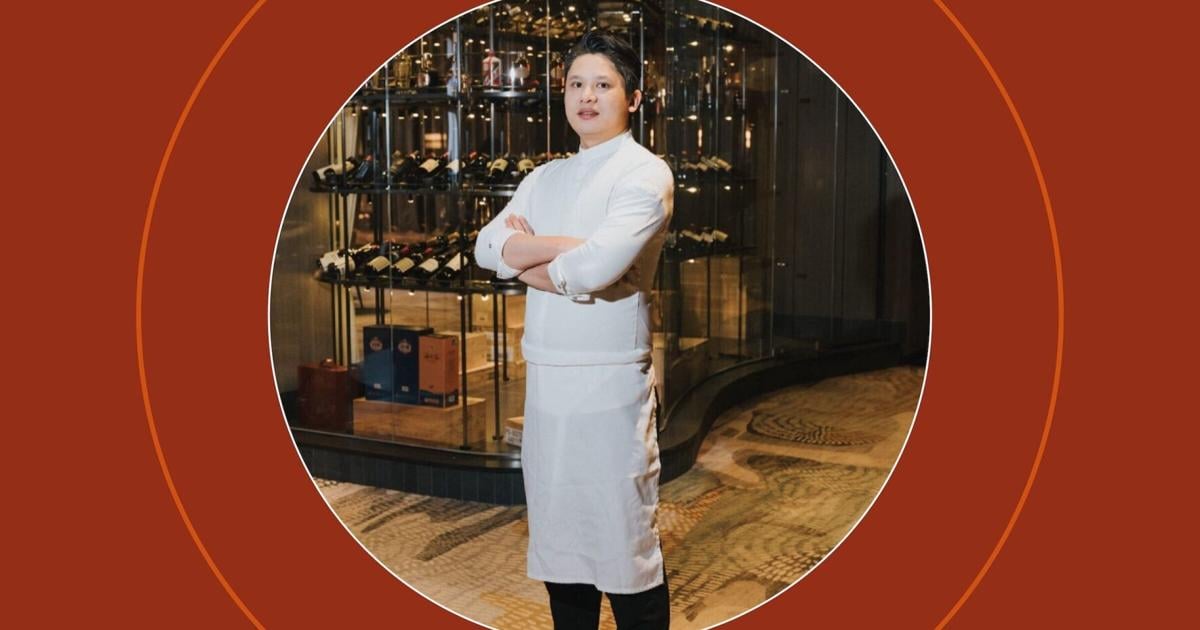
Marking one year since reopening, Lai Wah Heen executive chef Heyden Sin shares local spots for claypot rice and lamb pilaf.
Lai Wah Heen executive chef Heyden Sin.
Sometimes you do not go looking for food because you want to discover something new. Sometimes, executive chef Heyden Sin says, you go because you want to taste home again. This certainly rings true for his restaurant, Lai Wah Heen.
Long a staple of family dim sum outings and treasured celebrations, the spot was a beloved downtown fixture for almost three decades. The Cantonese restaurant closed in 2023 when its lease expired, but it has since reopened and is now celebrating its first year back.
In this new era, Sin’s mission is to help diners learn that Cantonese cuisine extends far beyond the usual well-known dishes. He’s been spending a lot of time researching forgotten and disappearing Cantonese dishes, as well as historical ingredients from different parts of Guangdong. One example on Lai Wah Heen’s menu is Alaskan king crab with aged radish, which draws on an old-fashioned ingredient and flavour pairing.
“Guangdong has an enormous culinary history, with distinct regional traditions, ingredients and techniques,” he says. “Our goal is to respect Cantonese heritage while presenting it with the precision and refinement expected of contemporary fine dining. I want guests to experience not only how Cantonese food tastes, but also the history, craftsmanship and relationship with the land behind it.”
Here, Sin shares half a dozen spots that taste like home to him — and just plain delicious.
“I really want more people to discover it because it specializes in Taishanese cuisine, a part of Guangdong’s food culture that deserves more attention. I particularly love the Taishan-style claypot rice with eel. Claypot rice can look very simple, but making a great version requires patience and control. The fragrance and richness of the eel permeate the rice as it cooks, while the bottom develops that deeply toasted, crispy layer that is essential to a good claypot rice. There is something very sincere about the cooking here. You can feel the care behind the food, and as a chef, that is something that always moves me.”
“For me, one of the greatest compliments you can give a restaurant is that there is a particular dish you start craving again before you have even planned your next visit, and their lamb pilaf is that for me: the rice absorbs the richness and aroma of the lamb while still maintaining its own texture. There is a wonderful balance between the lamb fat, the fragrance of the meat and the rice that makes the dish incredibly satisfying.”
“Shirako is an ingredient that requires tremendous knowledge and sensitivity. You need to understand its freshness, texture and extremely delicate character before you can decide how to handle it. A small mistake in preparation can completely change the experience. As a chef, I pay attention to that kind of technical control. What impressed me here was how precisely it was handled while still allowing the ingredient to remain itself. When a chef can make something this technically difficult feel effortless, that is something I remember.”
Delicacy Kitchen, 2899 Dufferin St.
A post shared by Delicacy Kitchen 清心鸡 (@delicacykitchen.to)
“For me, comfort food is connected to memory. It does not need to be expensive or technically complicated. Sometimes the food you crave most is something very simple that immediately reminds you of home, family or a particular moment in your life. This place does that with their white cut chicken. It’s a staple in all Cantonese families, especially during gatherings.”
Sweet Together, 28 South Unionville Ave.
“Get the taro ball and grass jelly combination: the flavours themselves are quite simple, but I love the contrast of textures. The soft, chewy taro balls, the springy grass jelly and the different textures throughout the bowl make it very satisfying. Eating this style of dessert takes me back to when I was younger and had just started working. It reminds me of a simpler and very happy period of my life.”
“Traditional bamboo-pole noodles, or jook sing noodles, are very nostalgic for me because they are part of Guangzhou’s street food culture. When I lived in Guangzhou, wonton noodles were something I would often crave in the afternoon or late at night. I am very curious to experience how they preserve the traditional bamboo-pole noodle-making technique here in Canada, so far away and in such a different climate from Guangzhou.”
Briony Smith writes about culture, entertainment and lifestyle for the Star.