
Why Trump rejected fresh truce proposal by Iran? His UN envoy explains
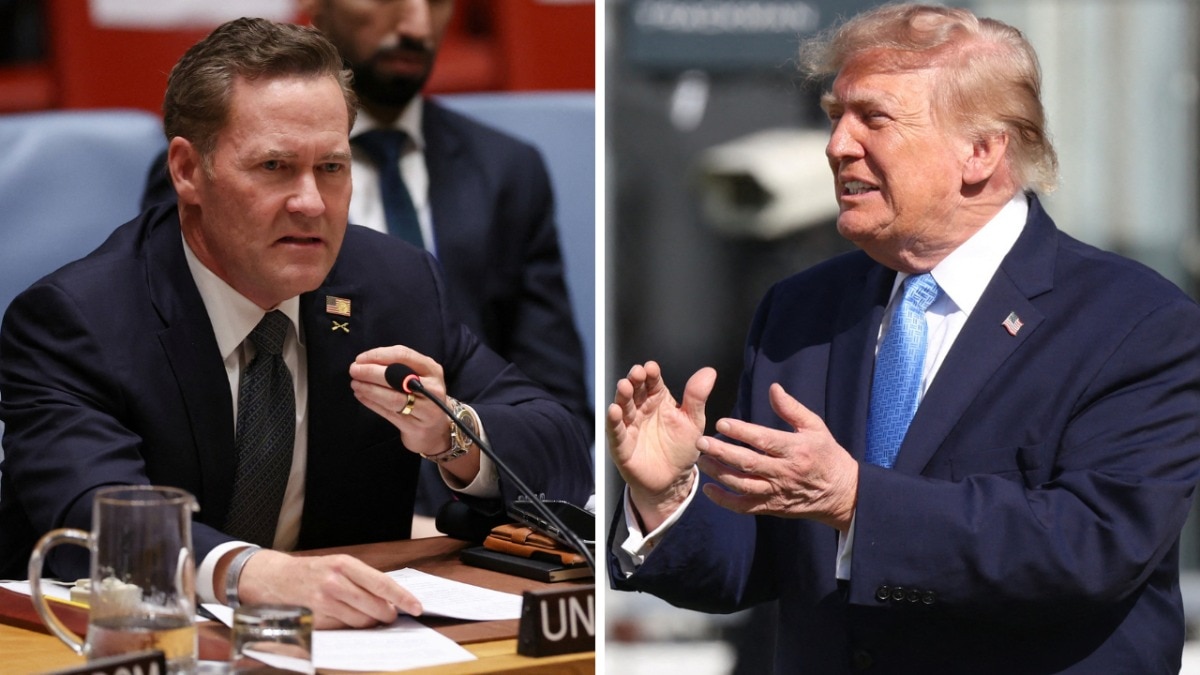
US President Donald Trump rejected Iran's latest proposal to end the war because Tehran sought major concessions before committing to substantive negotiations, US Ambassador to the United Nations Mike Waltz said on Sunday.
Speaking to CNN's State of the Union, Waltz said Iranian negotiators were asking for sanctions relief and other measures "up front", while the Trump administration wanted guarantees that any talks would lead to an end to Iran's nuclear programme. His comments came a day after Trump said he had rejected Tehran's new proposal to reopen the Strait of Hormuz and revive nuclear negotiations.
"They were asking for everything up front with a promise that they would then talk," Waltz said. "The President is just not confident that the Iranians are coming in good faith and that we will truly negotiate the end of their nuclear program."WHY TRUMP REJECTED IRAN'S PROPOSAL
The diplomatic push centres on the Strait of Hormuz, which has been a major flashpoint in the conflict.
According to Axios, Iran proposed reopening the strait and restarting nuclear talks within seven days. In return, Tehran sought the lifting of the US naval blockade, relief from sanctions affecting its oil sales and a ceasefire across the region. Trump rejected those terms on Saturday.
Trump said Iran wanted the strait reopened because, in his view, Tehran was under severe pressure. He also said the US had "total control of the Hormuz strait".
Tehran has rejected the idea that it has abandoned diplomacy.
Iranian Foreign Minister Abbas Araghchi said his country's conditions for reopening the Strait of Hormuz remained unchanged and that the dispute could only be resolved through negotiations.
"Our conditions are clear, and any move toward reopening the strait of Hormuz is contingent on these conditions being met," Araghchi said. "Only a negotiated solution can get them out of this deadlock."
Speaking to NBC's Meet the Press, Araghchi said Iran was prepared for the possibility of renewed fighting but remained open to negotiations.
"We are fully prepared for the war to be resumed," Araghchi said. "We stand firm in the face of any new aggression, even if it comes to a doomsday war.
"At the same time, we stand ready for diplomacy. It is up to President Trump to choose."
Iranian President Masoud Pezeshkian similarly said Tehran was prepared to discuss its nuclear programme and other issues, but would not accept what he described as "bullying or coercion".TRUMP STILL EXPECTS MORE US-IRAN TALKS
Despite rejecting Iran's proposal, Trump said on Sunday that the diplomatic channel had not been closed. In a phone interview with Axios, Trump said he expected American negotiators to hold another round of talks with Tehran this week, while Qatar and other regional mediators continue efforts to narrow the differences between the two sides.
"I expect more talks with Iran (this week). They want to make a deal, but it is not the deal that I want to make. It is what we would have maybe agreed to a year ago. They overplayed their hand," Trump said.
Qatari mediators have been working separately with US and Iranian officials to explore possible changes to the proposed agreement. Further indirect talks could take place as early as Monday, according to sources cited by Axios.
Meanwhile, Trump also kept open the possibility of further military action when asked whether he was considering another round of strikes against Iran.
"I am always thinking about it," he said.US ALSO PRESSES CHINA OVER IRAN
Waltz also addressed reports that China had assisted Iran with missile targeting of shipping in the Strait of Hormuz and US military positions in the region. He did not confirm the intelligence reports but said Trump had raised the issue with Chinese President Xi Jinping during his recent visit to Washington and had previously discussed it with him.
"I think we have seen movement in a positive direction," Waltz said. "President Trump has made it clear it's unacceptable."
Waltz also pointed to the US-China meeting's readout, which said the two countries agreed that Iran must not obtain a nuclear weapon.
"They cannot and should not be tolling, much less attacking, international shipping in an international waterway," Waltz said. "So I think that was incredibly important to hear from President Xi coming out of the summit."- EndsWith inputs from agenices

