
York Timbers cuts jobs as former CEO’s pay more than doubles - IOL
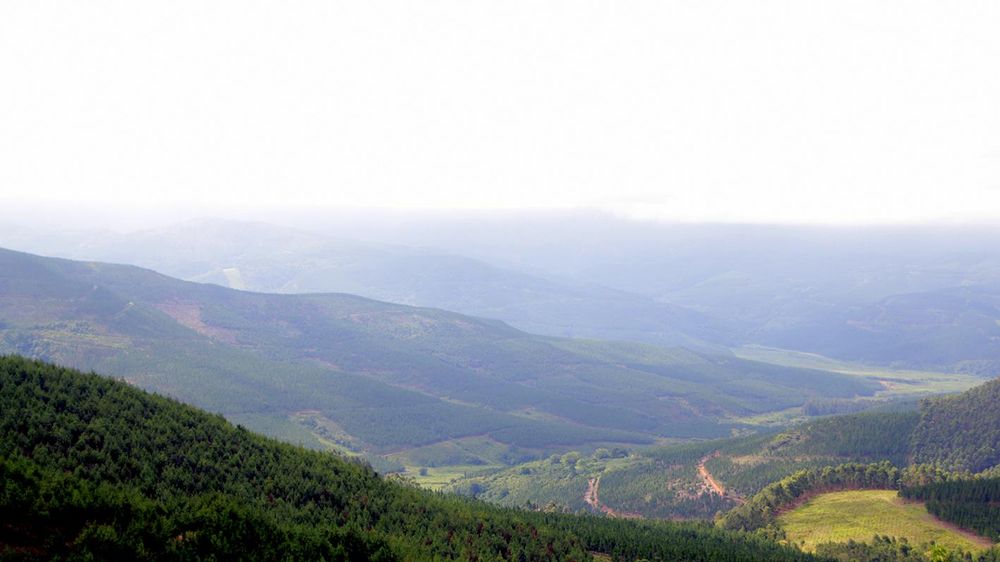
Pine trees grown for wood products as seen in Sabie.
York Timbers retrenched 73 workers at two operations during a year in which its former CEO’s remuneration more than doubled to R9.5 million, while illegal mining and land invasions emerged among the timber group’s top risks.
Former CEO Gabriël Stoltz, who resigned at the end of March, received total remuneration of R9.54 million, compared with R4.44 million in 2025.
The increase was largely due to a R5.1 million once-off payment connected to his resignation. York said the R5.1 million payment was “non-recurring” and “should not be interpreted as an increase in his normal or performance-related remuneration”.
At the same time, York was cutting jobs as it battled losses at its Sabie sawmill and plywood operations.
The company initially identified about 149 employees who could be affected by a retrenchment process at Sabie, which York said had been under financial pressure and loss-making since 2018.
York said, “overstaffing, combined with under-delivery on throughput volumes” had made the sawmill’s operating model “financially unsustainable”. Following consultation, 11 employees were ultimately affected.
At its plywood plant, another 138 employees were initially potentially affected as York responded to losses, rising costs and competition from cheaper imported plywood.
York cut the plant from three shifts to two and its operating week from seven days to five. The restructuring ultimately affected 62 employees, bringing the total across the two operations to 73.
The plywood operation has since been resized to about 65% of installed capacity.
York's annual report also ranks illegal mining, land invasion and security as the fifth of its top 10 risks.
York warned that “persistent illegal mining, unlawful occupation, theft and unauthorised access” on or near its properties could damage infrastructure and disrupt forestry operations.
The risk is particularly pertinent in Mpumalanga’s historic gold country. Barberton was at the centre of one of South Africa’s earliest gold rushes in the 1880s, and gold is still mined there today. Sheba Mine, which began operating in 1885, is among the world’s oldest working gold mines.
Illegal mining remains a live problem. In March, police arrested 10 suspects at a mine in the Barberton area and seized suspected gold-bearing material and equipment, explosives and ammunition.
The wood company is using intelligence-led security, patrols, surveillance and access controls and said it was coordinating its response with police, municipalities and the Vala Umgodi task team, the national operation targeting illegal mining.
Severe winds also damaged more than 1,000 hectares of York's Jessievale plantation in the Highveld during the year.
Site of Barberton concentration camp built by the British during the Second Boer War to house Boer women and children. Barberton was a key gold mining town.
The job cuts came in a year in which York's formal short-term executive incentive targets were not met.
Its earnings before tax, depreciation, and amortisation target was achieved but its working-capital target was not, meaning executives did not qualify for an award under the formal scheme.
However, York's remuneration committee separately approved about R3 million in discretionary bonuses.
Revenue from continuing operations fell 2% to R1.88 billion, while interest-bearing borrowings increased 6% to R622.9 million. There were signs of improvement at Sabie, with the sawmill recording its first monthly profit in many years in June.


![[Rappler’s Best] Houston, we’ve had a problem here - Rappler](https://www.rappler.com/tachyon/2026/01/tsm-antonio-trillanes-plunder-sara-duterte-ombudsman-janaury-21-2026-008-scaled.jpg)